Brown Automotive Center Chevrolet

Blog / Brown Automotive Center Service

How to Know If You Have an Oil Leak

How to Know If You Have an Oil Leak 

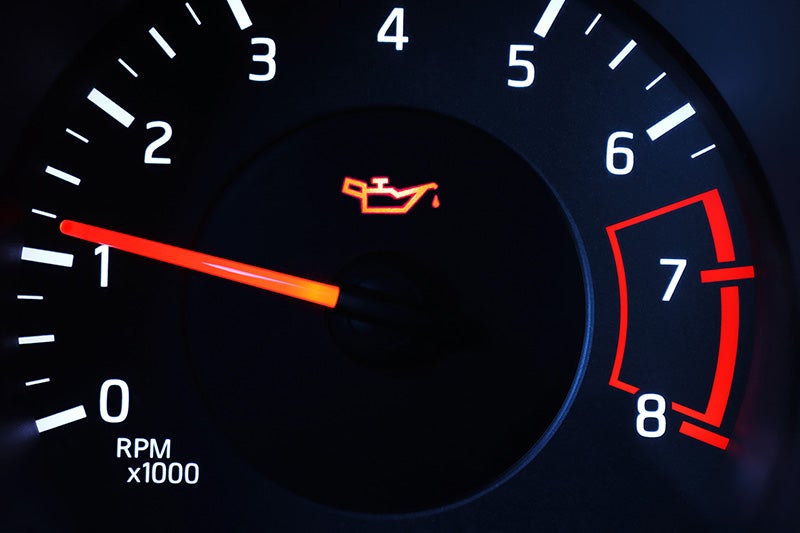
An oil leak can create serious engine problems if it is not checked quickly. Drivers may notice oil spots under the vehicle, a burning smell, low oil levels, blue smoke, or an oil pressure warning light. If you see any of these signs in Del Rio, TX, Brown Automotive Center can inspect your vehicle and help identify the source of the leak before it leads to more damage.

What to Do If You Have an Oil Leak 

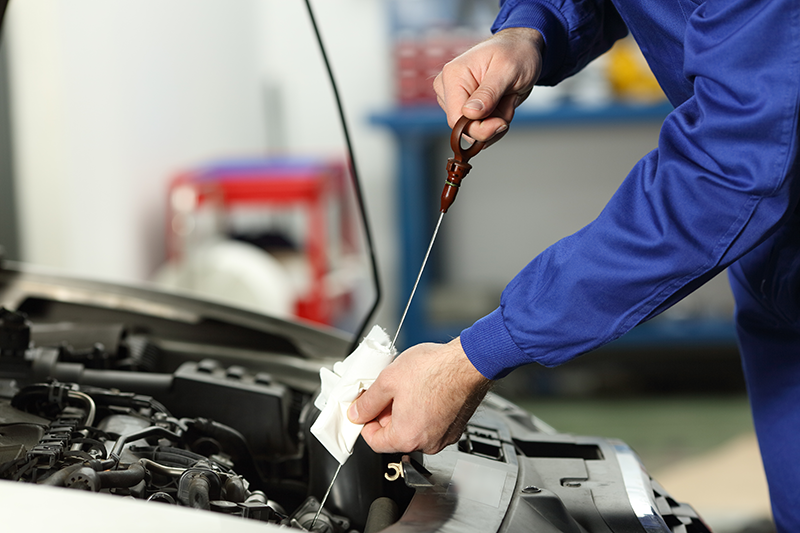
A driver should check the oil level 1st. If the level is low, 1 should add the correct oil. This is a temporary step. The leak still needs a real fix. 

A driver should not drive long distances with a leak. Low oil can cause internal damage, such as worn bearings. If a driver in Del Rio, TX sees oil under the car, they should get an inspection. 

Diagnosing an Oil Leak 

Finding a leak is not always easy because oil moves along parts. A technician will clean the engine and use UV dye to find the source. This helps trace the leak to its start. 

Common steps include checking the drain plug and the valve cover. Staff also look at the oil pan and various seals. An oil leak is serious enough to need a professional check. 

Different Leak Types and Sources 

A leaking valve cover gasket is a common problem. It happens as the part gets old, which causes it to lose its seal. A driver might see oil near the top of the engine or smell burning. 

The oil pan gasket is another source. It is at the bottom of the engine and can wear out over time. A loose drain plug can also cause a leak after an oil change. Rear main seals and timing cover gaskets are harder to repair. 

If a driver sees signs of a leak, they should not wait. Fixing a leak early protects the engine. Scheduling service with Brown Automotive Center helps drivers avoid engine failure by fixing leaks quickly. 

Posted in:

Related Posts

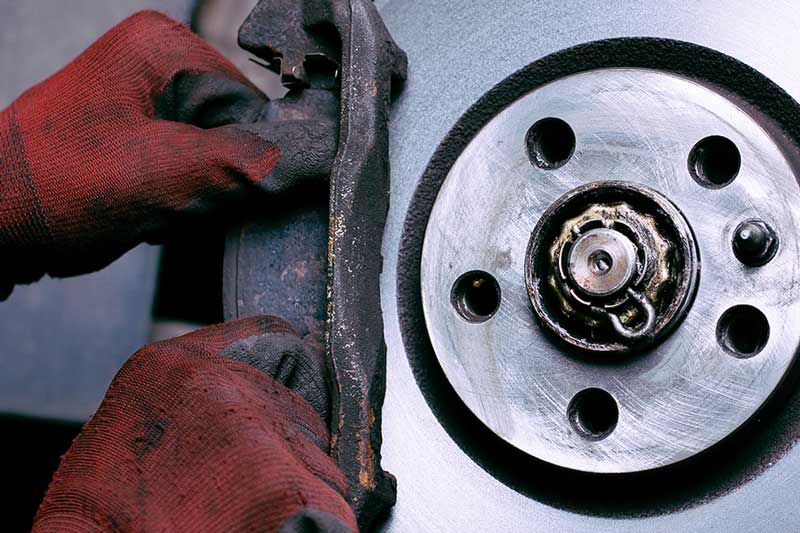
A close up of vehicle brakes - Essential Maintenance FAQ: Keeping Your Chevy in Top Condition

Essential Maintenance FAQ: Keeping Your Chevy in Top Condition

Maintaining your Chevy vehicle is critical to its longevity, safety, and overall performance. At Brown Automotive Center in Del Rio, TX, we understand the importance of regular vehicle maintenance and the role it plays in keeping your car running smoothly. In this comprehensive FAQ guide, we’ll cover essential maintenance tasks every Chevy owner should know, including oil changes, brakes, batteries, windshield wipers, fluids, and more. Why Is Regular Vehicle Maintenance Important? Regular maintenance helps ensure that your vehicle operates efficiently and avoids costly repairs. By addressing potential issues early, you can prevent major breakdowns that could leave you stranded on the road. Here’s why regular maintenance is crucial: Improves Safety: Well-maintained vehicles are less likely to encounter issues while driving, ensuring your safety and the safety of others on the road. Enhances Performance: Keeping your Chevy in top shape guarantees smoother performance, better handling, and improved fuel efficiency. Increases Longevity: Regular care can extend the life of your vehicle, making it last longer and saving you money in the long run. Frequently Asked Questions About Essential Maintenance 1. How Often Should I Change My Oil? Oil changes are one of the most important aspects of vehicle maintenance. Over time, oil breaks down and loses its effectiveness, which can lead to engine damage. Here’s what you need to know: Conventional Oil: Typically, you should change conventional oil every 3,000 to 5,000 miles. Synthetic Oil: Synthetic oil lasts longer and can typically go 7,500 to 10,000 miles between changes. Factors Affecting Oil Change Interval: Driving habits, climate conditions, and the age of your vehicle may influence how often you need an oil change. At Brown Automotive Center, we recommend following your Chevy’s owner manual for the most accurate oil change schedule. 2. How Can I Tell When My Brakes Need Attention? Brakes are one of the most critical safety components of your vehicle, so it’s important to know when to have them serviced. Some signs your brakes might need attention include: Squeaking or Squealing Noises: This could indicate that your brake pads are worn and need replacement. Vibration or Pulsing: If you feel vibrations when applying the brakes, it could mean the rotors are warped. Increased Stopping Distance: If it takes longer to stop your vehicle, it’s a clear sign that the brake system is not functioning properly. Regular brake checks are essential for your safety. Have your brakes inspected by a professional every 12,000 miles or if you notice any of these signs. 3. How Often Should I Replace My Car Battery? The battery is responsible for powering your vehicle’s electrical systems, and it’s important to ensure that it remains in good condition. Most car batteries last between 3 and 5 years, but factors like climate and driving habits can impact their lifespan. Here are some signs your battery may need replacement: Slow Engine Crank: If your engine takes longer than usual to start, it could be a sign that your battery is losing power. Check Engine Light: If the check engine light comes on, it could indicate a battery or charging system issue. Corrosion: Build-up of corrosion around the battery terminals can reduce the effectiveness of the battery. Regular battery checks and maintenance can prevent the inconvenience of a dead battery. 4. When Should I Replace My Windshield Wipers? Windshield wipers are essential for maintaining visibility, especially in rain or snow. Over time, wiper blades become worn and less effective. Here’s how to know when to replace them: Streaking: If your wipers leave streaks or smears on your windshield, they may be worn and need replacement. Chattering Noises: If your wipers make a chattering or skipping noise, it indicates that the rubber is damaged or hardened. Visible Damage: Cracks, tears, or splits in the wiper blades are a clear sign they need to be replaced. For optimal safety, it’s a good idea to replace your wiper blades every 6-12 months, depending on usage and weather conditions. 5. What Fluids Does My Vehicle Need? Fluids play a crucial role in the proper functioning of your vehicle. There are several types of fluids that you should regularly check and replace: Engine Oil: Lubricates the engine’s moving parts to reduce friction and wear. Transmission Fluid: Ensures smooth shifting and helps prevent transmission damage. Brake Fluid: Necessary for proper brake function; low levels can compromise braking ability. Coolant: Helps regulate engine temperature and prevents overheating. Power Steering Fluid: Allows easy steering and helps reduce wear on the steering system. Regular fluid checks can prevent costly repairs and keep your car operating at its best. 6. How Often Should I Check Tire Pressure and Rotate My Tires? Tire maintenance is crucial for both safety and performance. Proper tire pressure ensures optimal traction, fuel efficiency, and handling. Tire rotations help ensure even wear and extend the life of your tires. Here’s what you should do: Tire Pressure: Check your tire pressure monthly to ensure it’s at the recommended level. Underinflated tires can lead to poor fuel economy and increased tire wear. Tire Rotation: Have your tires rotated every 6,000 to 8,000 miles to ensure even wear. Uneven tire wear can affect your vehicle’s handling and reduce tire life. Proper tire maintenance can prevent accidents and ensure that your Chevy handles well on the road. Why Choose Brown Automotive Center for Your Maintenance Needs? At Brown Automotive Center, we are committed to providing top-notch service and expert maintenance for your Chevy. Our experienced technicians are trained to handle all aspects of vehicle care, including: Comprehensive Maintenance: From oil changes to brake inspections, we offer a full range of services to keep your vehicle running smoothly. Personalized Service: We take the time to understand your vehicle’s specific needs and provide tailored maintenance recommendations. Convenience and Efficiency: We offer fast, reliable service to minimize your downtime, so you can get back on the road quickly. Schedule Your Next Maintenance Appointment Today Don’t wait until there’s a problem with your vehicle. Regular maintenance is the key to ensuring your Chevy performs at its best for years to come. Contact Brown Automotive Center in Del Rio, TX, to schedule your next service appointment.

A mechanic checking a dipstick - Oil Changes: FAQs for Chevy Owners

Oil Change: FAQs for Chevy Owners

Regular oil changes are a fundamental aspect of vehicle maintenance that directly impact your car’s performance and longevity. At Brown Automotive Center in Del Rio, TX, we understand the importance of maintaining your Chevy’s engine in optimal condition. Whether you're a new Chevy owner or a long-time driver, staying informed about the oil change process can help ensure your vehicle runs smoothly for years to come. In this guide, we’ll answer some of the most frequently asked questions about oil changes. From why they're necessary to when and how often they should be done, we've got all the details covered to keep your engine running at its best. Why Are Oil Changes Important for Your Chevy? Oil is the lifeblood of your vehicle's engine. It lubricates the moving parts, reduces friction, and prevents overheating. Over time, oil breaks down due to exposure to heat and contaminants. Regular oil changes help to: Maintain lubrication: Clean oil ensures that the engine’s components move smoothly and do not experience excessive wear. Prevent engine damage: Old, degraded oil can lead to engine sludge and clogging, which can result in costly repairs. Improve performance: Fresh oil helps maintain your engine’s efficiency, resulting in better fuel economy and overall performance. Extend the lifespan of your vehicle: Regular oil changes can add years to your Chevy’s life by preventing major engine issues. When Should You Change Your Oil? The frequency of oil changes depends on several factors, such as your vehicle’s make, model, and driving habits. Here’s a general guideline for when to schedule an oil change: Traditional oil: Typically every 3,000 to 5,000 miles. Synthetic oil: Can last longer, often between 7,500 and 10,000 miles. Severe driving conditions: If you frequently drive in stop-and-go traffic, tow heavy loads, or operate your vehicle in extreme temperatures, you may need to change your oil more often. Always refer to your Chevy’s owner’s manual for manufacturer recommendations regarding oil change intervals. What Type of Oil Does My Chevy Need? Choosing the right oil for your Chevy is crucial. Your owner’s manual will provide specific recommendations for oil type, but here are the general categories: Conventional oil: This is a standard option for many vehicles and is more affordable, but it requires more frequent changes. Synthetic oil: A high-performance option that provides better protection, improves fuel efficiency, and lasts longer than conventional oil. High-mileage oil: Designed for older engines with higher mileage, this type of oil helps reduce leaks, burns, and other common issues associated with aging engines. At Brown Automotive Center, our experts can help you select the right oil for your specific Chevy model to keep it running at its best. How Do I Know If My Oil Needs to Be Changed? There are several signs that indicate your oil may need to be changed soon: Check engine light: If the light comes on, it could be a sign that your oil is dirty or low. Engine noise: If your engine begins making louder-than-usual noises, it could be due to old oil losing its ability to lubricate. Oil change light: Some vehicles are equipped with an oil change reminder light that illuminates when it's time to change the oil. Dirty oil: If you check the oil and it looks dark and gritty, it’s time for a change. Clean oil should appear golden or amber in color. Smell of burning oil: If you smell burning oil inside or outside the vehicle, it could be a sign that your oil is overheating and needs to be changed. What Happens If I Don’t Change My Oil? Skipping oil changes can lead to significant engine damage. As oil breaks down and becomes contaminated, it loses its ability to properly lubricate the engine. Over time, this can cause: Increased friction and heat: Without proper lubrication, engine parts can rub together, generating excessive heat and wear. Sludge buildup: Degraded oil turns into sludge that can clog the engine’s oil passages and reduce performance. Engine failure: If the oil is not changed, the engine could seize or fail due to lack of lubrication, leading to costly repairs or even a complete engine replacement. Regular oil changes are an inexpensive way to prevent these issues and protect the health of your engine. Can I Change My Oil Myself? While it’s possible to change your oil at home, it requires specific tools, knowledge, and disposal methods for used oil. If you’re not familiar with the process, it’s best to leave oil changes to the professionals. At Brown Automotive Center, we offer quick and efficient oil change services to keep your vehicle in top condition without the hassle. How Long Does an Oil Change Take? Typically, an oil change at Brown Automotive Center takes about 30 minutes to an hour. We pride ourselves on providing fast, reliable service to minimize your wait time, so you can get back on the road quickly. How Much Does an Oil Change Cost? The cost of an oil change can vary depending on the type of oil your Chevy requires, the model, and the services provided. Generally, synthetic oils tend to cost more than conventional oils. At Brown Automotive Center, we offer competitive pricing on all oil change services. Contact us for specific pricing based on your vehicle’s needs. Why Choose Brown Automotive Center for Your Oil Change? At Brown Automotive Center, we pride ourselves on delivering high-quality service for every vehicle. Here’s why we’re the trusted choice for oil changes in Del Rio, TX: Expert technicians: Our certified service team has years of experience and uses the latest tools to perform oil changes with precision. Fast and convenient: We understand that your time is valuable, so we offer quick and hassle-free oil changes to get you back on the road. Affordable pricing: We offer competitive rates without sacrificing the quality of service, ensuring your vehicle gets the care it deserves. Comprehensive vehicle checks: During your oil change, we also perform a multi-point inspection to ensure your vehicle is in great condition. Schedule Your Oil Change Today Regular oil changes are essential for the longevity and performance of your Chevy. If it’s time for an oil change, or if you’re unsure when you last had one, contact Brown Automotive Center in Del Rio, TX. Our team is here to provide the expert service and advice you need to keep your vehicle running smoothly.


What To Do When Your Check Engine Light Comes On 

What To Do When Your Check Engine Light Comes On

The check engine light is one of the most recognizable warning indicators on your dashboard. On most Chevrolet vehicles, it appears as a small orange or amber engine-shaped icon. Some models display the words "Check Engine" or "Service Engine Soon" instead. The light may stay on or flash depending on the issue. A steady check engine light typically signals a non-emergency problem that still needs attention. A flashing light, however, usually points to a more serious issue - such as an engine misfire - that requires prompt action. Either way, the check engine light should never be ignored. Drivers in Del Rio, Texas should keep reading for more answers to the most frequently asked questions about the check engine light. Do I Need to Go to a Mechanic Right Away? This is one of the most common questions drivers have when the check engine light appears. The honest answer depends on how the light behaves and how your vehicle is driving. more If the light is steady and your vehicle seems to be running normally - no unusual sounds, no loss of power, no strange smells - it is generally safe to continue driving for a short time. That said, you should schedule a diagnostic appointment as soon as possible. Putting it off can turn a minor issue into a costly repair. If you notice rough idling, reduced acceleration, or the light is flashing, treat it as an urgent situation. Pull over when it is safe to do so and contact a service center. You can count on a trained technician to quickly scan your vehicle and identify the cause. Do I Need to Tow My Car? Another frequent question is whether a check engine light automatically means calling a tow truck. The short answer is no - not always. If your vehicle is still driving smoothly and no other warning lights are on alongside the check engine light, you can likely drive it to a nearby service center without a tow. However, if the check engine light is flashing, if you see the temperature gauge spiking, or if the oil pressure light also appears, stop driving immediately. Continuing to drive under those conditions can cause serious engine damage. When in doubt, it is always better to err on the side of caution. A quick call to your service center can help you decide whether to drive the vehicle in or arrange a tow. What Should You Do First? When the check engine light comes on, start by checking that your gas cap is fully tightened. A loose gas cap is one of the most common - and easiest to fix - triggers for this warning. If the cap was loose and you tighten it, the light may go off on its own after a few drive cycles. If the light stays on, the next step is to have your vehicle scanned with a diagnostic tool. This is a routine process that reads the trouble codes stored in your vehicle's computer, giving a technician a clear starting point for diagnosis. Visit Brown Auto Center Chevrolet for a Diagnostic When your check engine light comes on, the right move is to get it checked by a professional. Guessing or waiting too long can lead to bigger problems down the road. The service team at Brown Auto Center Chevrolet is ready to help drivers throughout Del Rio, TX get accurate answers fast. Whether the issue is minor or something that needs immediate attention, visiting scheduling service at Brown Automotive Center is a great first step toward getting your Chevrolet back to its best.