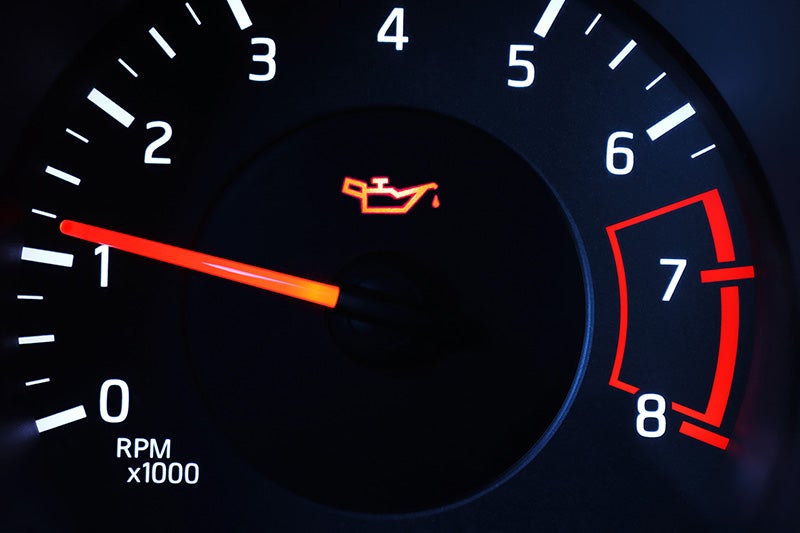





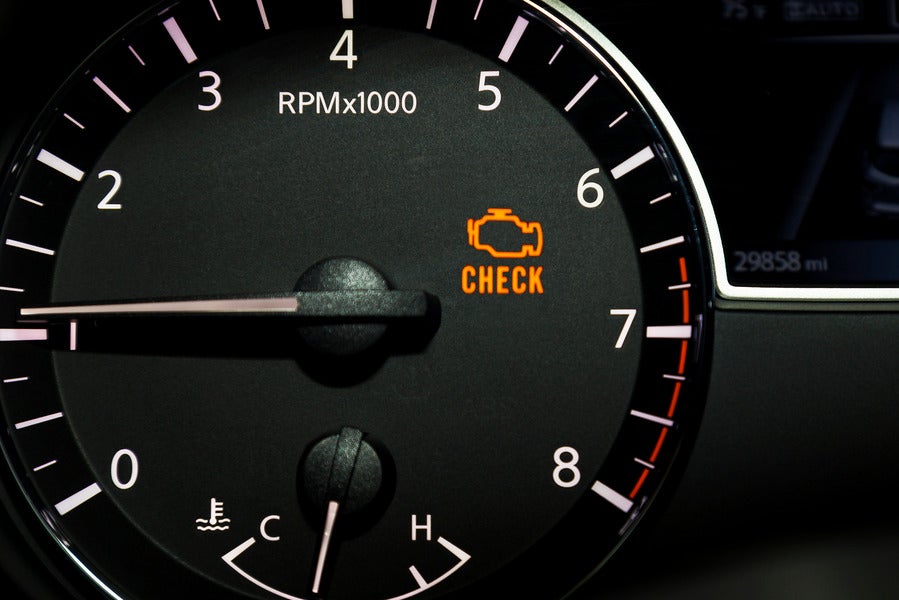
The check engine light is one of the most recognizable warning indicators on your dashboard. On most Chevrolet vehicles, it appears as a small orange or amber engine-shaped icon. Some models display the words "Check Engine" or "Service Engine Soon" instead. The light may stay on or flash depending on the issue. A steady check engine light typically signals a non-emergency problem that still needs attention. A flashing light, however, usually points to a more serious issue - such as an engine misfire - that requires prompt action. Either way, the check engine light should never be ignored. Drivers in Del Rio, Texas should keep reading for more answers to the most frequently asked questions about the check engine light. Do I Need to Go to a Mechanic Right Away? This is one of the most common questions drivers have when the check engine light appears. The honest answer depends on how the light behaves and how your vehicle is driving. If the light is steady and your vehicle seems to be running normally - no unusual sounds, no loss of power, no strange smells - it is generally safe to continue driving for a short time. That said, you should schedule a diagnostic appointment as soon as possible. Putting it off can turn a minor issue into a costly repair. If you notice rough idling, reduced acceleration, or the light is flashing, treat it as an urgent situation. Pull over when it is safe to do so and contact a service center. You can count on a trained technician to quickly scan your vehicle and identify the cause. Do I Need to Tow My Car? Another frequent question is whether a check engine light automatically means calling a tow truck. The short answer is no - not always. If your vehicle is still driving smoothly and no other warning lights are on alongside the check engine light, you can likely drive it to a nearby service center without a tow. However, if the check engine light is flashing, if you see the temperature gauge spiking, or if the oil pressure light also appears, stop driving immediately. Continuing to drive under those conditions can cause serious engine damage. When in doubt, it is always better to err on the side of caution. A quick call to your service center can help you decide whether to drive the vehicle in or arrange a tow. What Should You Do First? When the check engine light comes on, start by checking that your gas cap is fully tightened. A loose gas cap is one of the most common - and easiest to fix - triggers for this warning. If the cap was loose and you tighten it, the light may go off on its own after a few drive cycles. If the light stays on, the next step is to have your vehicle scanned with a diagnostic tool. This is a routine process that reads the trouble codes stored in your vehicle's computer, giving a technician a clear starting point for diagnosis. Visit Brown Auto Center Chevrolet for a Diagnostic When your check engine light comes on, the right move is to get it checked by a professional. Guessing or waiting too long can lead to bigger problems down the road. The service team at Brown Auto Center Chevrolet is ready to help drivers throughout Del Rio, TX get accurate answers fast. Whether the issue is minor or something that needs immediate attention, visiting scheduling service at Brown Automotive Center is a great first step toward getting your Chevrolet back to its best.
Winter Maintenance Tips for Your Chevrolet
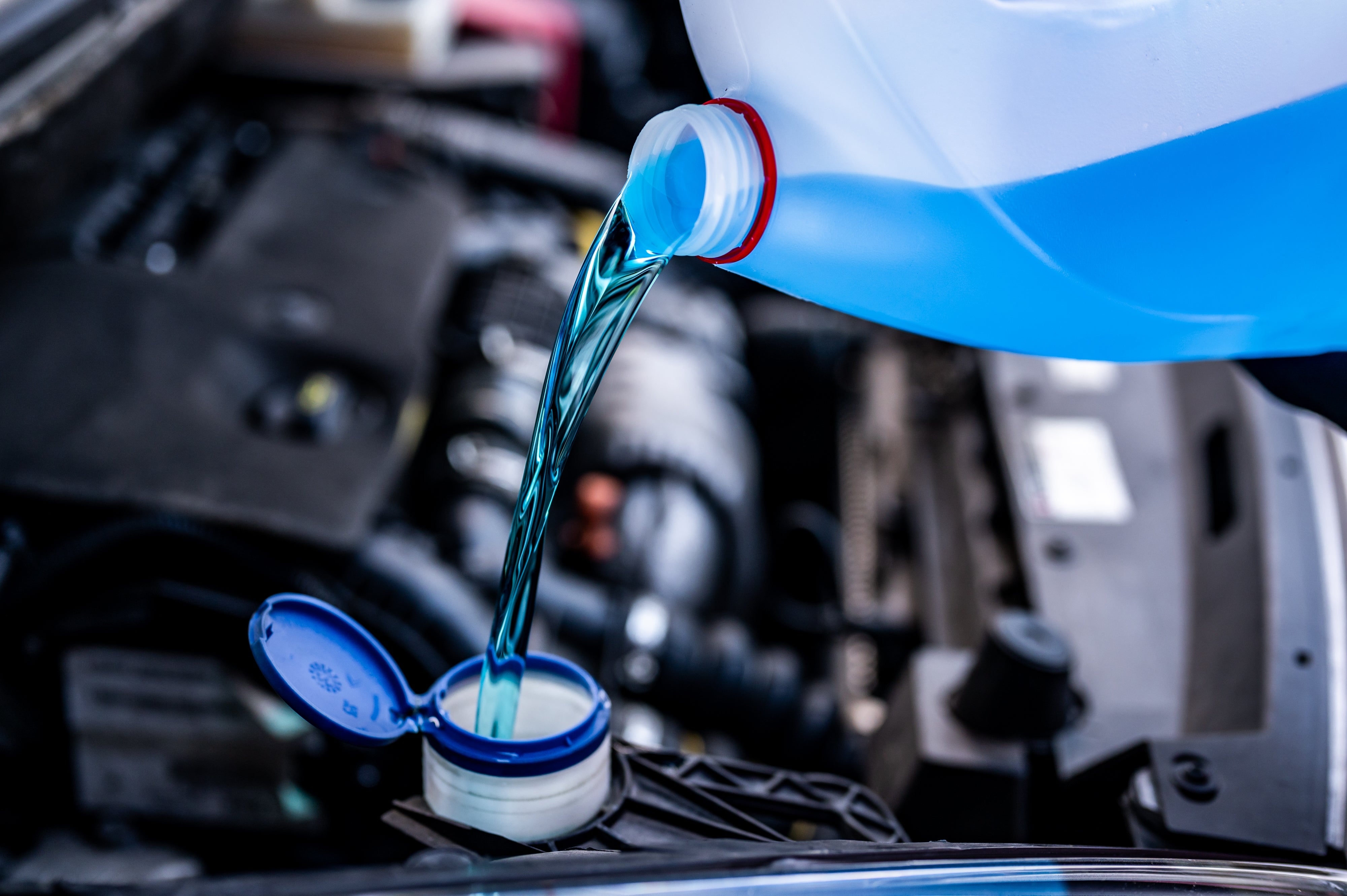
Winter Maintenance for Your Chevrolet: Cold Weather Finds the Weak Stuff Del Rio, TX, isn't famous for heroic snowdrifts, but winter doesn't need a blizzard to expose a vehicle that's overdue for attention. Lower temperatures affect batteries, tire pressure, fluids, rubber components, and other systems that behaved perfectly well during warmer months. Seasonal maintenance and a Multi-Point Vehicle Inspection can identify those problems while they're still merely maintenance instead of roadside entertainment. Temperature Changes More Than the Cabin Setting Cold weather alters the operating conditions around several vehicle systems. Batteries can deliver less starting power, tire pressures decrease as temperatures fall, and fluids have to perform in colder conditions. This makes a seasonal inspection useful even in a comparatively mild Texas winter. Checking the battery, tires, brakes, cooling system, exterior lighting, and visibility equipment gives technicians an opportunity to identify wear or developing problems before they interfere with a trip. It's also good to review your Chevrolet maintenance schedule and take care of any routine service that's already due rather than treating winter preparation as an entirely separate exercise. Coolant Has a Surprisingly Complicated Assignment Engine coolant has to help manage temperature at both ends of the thermometer. The correct coolant mixture provides freeze protection while helping the cooling system regulate engine temperature during operation. Coolant condition and level therefore deserve attention before colder weather arrives. A Chevrolet cooling-system inspection can check for concerns with the coolant and related components, while coolant service can address fluid maintenance when required. This is considerably cheaper in concept than ignoring a cooling-system problem until something overheats, leaks, freezes, or otherwise makes its displeasure known in a much more expensive fashion. Your Battery Doesn't Get Stronger When It Gets Cold A battery that started the engine happily through summer can reveal its age when temperatures fall. If your Chevrolet cranks slowly, has required a jump-start, or is carrying a battery that's been in service for several years, battery testing can provide helpful information about its condition. A Certified Service technician can also inspect the starting and charging system if symptoms suggest something beyond the battery itself. Adding a battery inspection to an oil change or other scheduled maintenance takes little drama. Waiting until the vehicle refuses to start creates considerably more of it. Four Tires and Four Brakes Deserve Some Attention Tire pressure can decrease as ambient temperature falls, so pressure should be checked regularly and maintained according to the vehicle specifications. Inspecting tread condition and wear at the same time can identify tires that deserve further attention. Tire service or a tire rotation can also be combined with other seasonal maintenance when appropriate. Brakes belong on the winter list as well. A professional brake inspection can evaluate the condition of components such as the pads and rotors, while any unusual noises, vibration, or changes in braking behavior deserve diagnosis rather than another few months of optimism. Seeing the Road Is Part of Driving on It Wiper blades don't receive much admiration, but neither does trying to see through a streaked windshield. Inspect the blades for wear and make sure the washer system operates properly with fluid appropriate for expected temperatures. Exterior lighting deserves a quick check as well. Headlights, taillights, brake lights, and turn signals are basic equipment with a disproportionately important job after sunset or during poor weather. These checks fit naturally into a winter vehicle inspection and can be handled alongside other routine Chevrolet service instead of requiring separate visits. Get Your Chevrolet Ready Before the Temperature Drops Winter preparation isn't about assuming catastrophe is approaching Del Rio. It's about making sure ordinary maintenance doesn't become an extraordinary inconvenience. Brown Auto Center Chevrolet can help Del Rio, TX, drivers with battery testing, tire service, brake inspections, cooling-system service, oil changes, Multi-Point Vehicle Inspections, and other Chevrolet maintenance. Owners can also review current service specials and address multiple maintenance needs during the same visit. If colder weather is approaching and your Chevrolet is due for attention, schedule a winter maintenance appointment online.