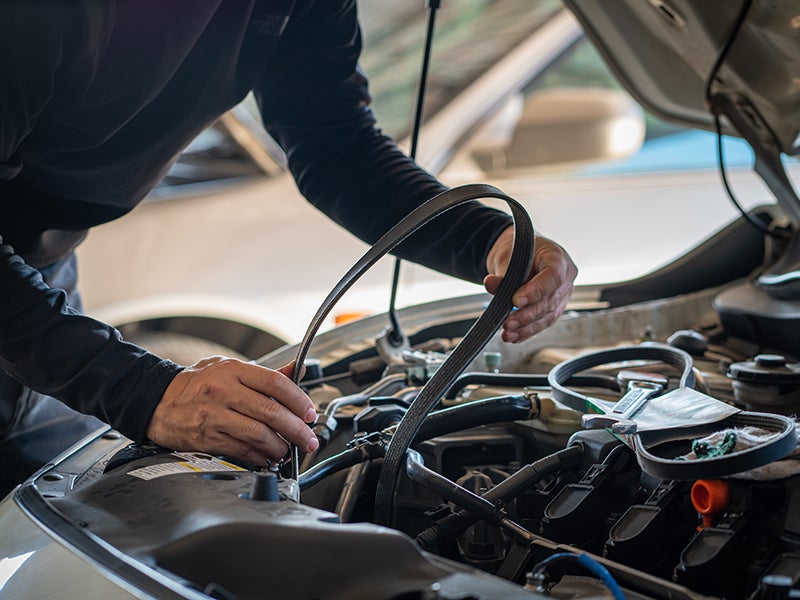





Engine Belts: A Complete Guide for Every Driver Every time you start your ignition, a series of tough rubber loops spin into action to keep your car moving and your cabin comfortable. Engine belts are some of the hardest-working parts in your vehicle, yet most drivers overlook them until a sudden breakdown occurs. Understanding how these components work and keeping them maintained prevents unexpected roadside emergencies. If you want to learn more about protecting your engine or need a professional inspection, reach out to our team at Brown Auto Center Chevrolet in Del Rio, TX. What Are Engine Belts and What Do They Do? Engine belts transfer mechanical power from the crankshaft to vital vehicle components. The serpentine belt is the most common type, using a single, continuous loop to power the alternator, power steering pump, air conditioning compressor, and water pump. Meanwhile, a timing belt or timing chain synchronizes the crankshaft and camshaft so engine valves open and close at exact intervals. Older engines sometimes use individual V-belts to drive single accessories, though modern vehicles largely rely on serpentine systems. How to Tell If Something Is Wrong With Your Engine Belts Catching belt wear early prevents major mechanical repairs. A sharp squealing or chirping sound from the engine bay during startup or air conditioning use usually points to a slipping serpentine belt. You should also look for visible cracks, frayed edges, or a glossy, glazed appearance on the rubber. Heavier power steering, an illuminated battery warning light, or rising engine temperatures also indicate failing belts. Because timing belts hide behind protective covers, you must rely on mileage intervals rather than visual checks to prevent severe engine damage. What Maintenance Do Engine Belts Need? Routine inspections during oil changes allow technicians to check belt tension and spot early signs of cracking or uneven wear. Most serpentine belts require replacement between 60,000 and 100,000 miles, though extreme Texas heat can accelerate rubber degradation. Timing belts also typically require replacement every 60,000 to 100,000 miles based on the specific schedule in your owner's manual. Technicians should inspect belt tensioners and idler pulleys during every replacement, as worn pulleys frequently cause new belts to fail early. Visit Brown Auto Center Chevrolet for Belt Servic e If you hear a strange squeal or want to stay ahead of scheduled maintenance, the certified service team at Brown Auto Center Chevrolet in Del Rio, TX is ready to assist. Keeping your engine belts in top condition protects your vehicle and prevents expensive engine repairs down the road. Schedule your next service appointment online today.