





The cabin air filter. It is neither glamorous nor expensive, but it performs a vital function every time you drive. By filtering the air entering the passenger compartment, it helps create a cleaner, more comfortable environment for everyone inside the vehicle.
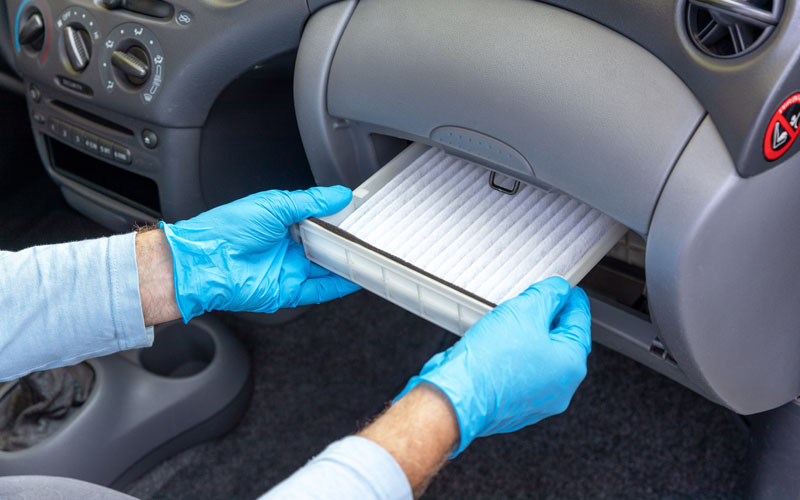
For Chevrolet owners in Del Rio, TX, where dust, pollen, and road debris are part of daily driving, the condition of your cabin air filter can have a surprisingly noticeable impact on comfort and air quality.
What Exactly Does a Cabin Air Filter Do?
A cabin air filter is designed to clean the outside air before it enters your vehicle through the heating and air conditioning system. As air moves through the HVAC system, the filter captures dust, pollen, dirt, mold spores, and other airborne contaminants that would otherwise circulate throughout the cabin. The result is cleaner air for occupants and reduced buildup inside the ventilation system.
It is a simple component performing an important task, particularly for drivers and passengers who are sensitive to allergens or poor air quality.
How the System Works
The process itself is straightforward. Outside air enters the vehicle through intake ducts and passes through the cabin air filter before reaching the blower motor and ventilation system. The filter’s pleated design creates a large surface area capable of trapping contaminants while still allowing sufficient airflow to pass through.
Many filters use multi-layer filtration media, while premium versions may incorporate activated carbon to help reduce odors from traffic, exhaust fumes, and environmental pollutants.
The system works continuously whenever your heating or air conditioning is operating, cleaning the air before it reaches the cabin.
Signs Your Cabin Air Filter May Need Attention
Like any filter, a cabin air filter eventually reaches the point where it becomes saturated with debris. One of the most common signs is reduced airflow from the vents. If the fan is running normally but the airflow feels weaker than it once did, a clogged filter may be restricting the system.
Musty odors are another common indicator. Over time, trapped contaminants and moisture can create unpleasant smells when the air conditioning or heater is activated. Some drivers also notice increased dust accumulation inside the cabin or heightened allergy symptoms during their daily commute. In many cases, a fresh cabin air filter can improve both concerns significantly.
Why Replacement Matters
A neglected cabin air filter does more than affect air quality. As airflow becomes restricted, the HVAC system must work harder to move air throughout the cabin. That additional strain can reduce overall system efficiency and make it more difficult to maintain comfortable interior temperatures during extreme Texas weather.
Replacing the filter at recommended intervals helps maintain proper airflow and allows the heating and cooling system to operate as intended. Most manufacturers recommend inspecting the cabin air filter between 15,000 and 25,000 miles, though drivers in dusty environments may benefit from more frequent replacement.
A Simple Service with Noticeable Results
Unlike some maintenance items that operate entirely behind the scenes, a fresh cabin air filter often delivers immediate benefits. Improved airflow, cleaner air, and a fresher-smelling interior are changes many drivers notice almost immediately after replacement.
It is a small investment that contributes directly to everyday driving comfort.
Visit Brown Auto Center Chevrolet in Del Rio, TX
If you’re unsure when your cabin air filter was last replaced, now is a good time to have it inspected. The service team at Brown Auto Center Chevrolet can check the condition of your filter and recommend replacement if needed.
Drivers throughout Del Rio, TX can count on experienced Chevrolet technicians to help keep their vehicles comfortable, efficient, and ready for the road ahead. Schedule your service appointment today and enjoy cleaner air on every drive.
Connect with us

