





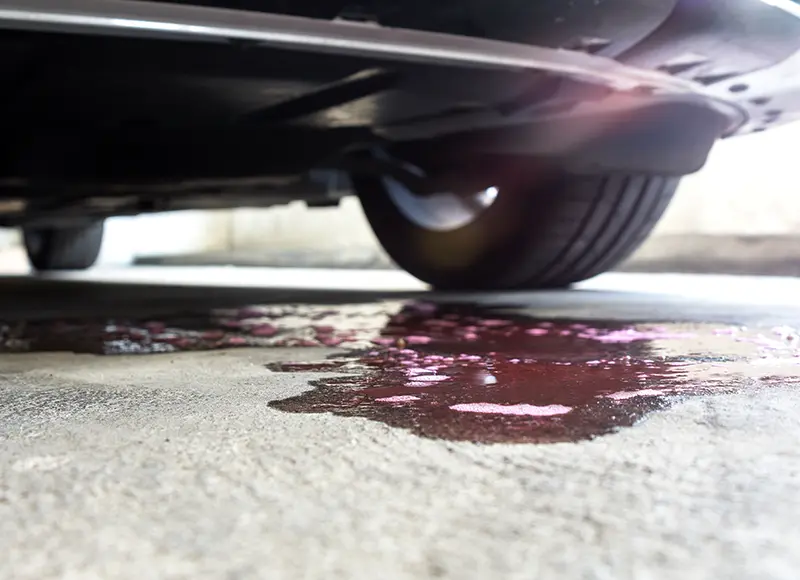
Finding fluid under your vehicle can be concerning, especially when you are unsure where it came from or whether it requires immediate attention. A small spot on the driveway or garage floor may indicate anything from normal condensation to a problem involving an important vehicle system. Understanding the differences between an oil leak and other fluid leaks can help drivers recognize potential issues before they lead to larger repairs. Fluids help many vehicle components operate properly, including the engine, transmission, cooling system, brakes, and steering components. When a leak occurs, it can affect performance and reliability if it is not inspected.
For drivers in Del Rio, TX, Brown Automotive Center provides Chevrolet service support to help identify fluid leaks and address maintenance concerns. Professional technicians can inspect your vehicle, locate the source of a leak, and recommend the appropriate service.
Why Is There Fluid Under My Car?
Seeing fluid underneath your vehicle does not always mean there is a serious mechanical problem, but it should not be ignored. Different vehicle fluids have different colors, textures, and locations where leaks commonly appear.
The first step is identifying what type of fluid is leaking. Looking at the color and consistency of the fluid can provide helpful information, but a professional inspection is the best way to determine the exact cause.
Common fluids that may appear under a vehicle include:
- Engine oil, which is often dark brown or black and feels slippery.
- Coolant, which may appear green, orange, pink, yellow, or another color depending on the vehicle.
- Transmission fluid, which is often red or reddish-brown.
- Brake fluid, which is usually clear to amber and has a slippery texture.
- Power steering fluid, which may resemble transmission fluid.
- Water from air conditioning condensation, which is typically clear and harmless.
A fluid leak should be evaluated based on the type of fluid, the amount leaking, and where it appears beneath the vehicle.
How Do I Know If My Car Has an Oil Leak?
An oil leak is one of the most common fluid concerns drivers experience. Engine oil plays an important role in reducing friction, lubricating internal components, and helping the engine operate properly. When oil escapes from the engine, it can lead to reduced lubrication and potential damage if the issue is not corrected.
Signs that your vehicle may have an oil leak include:
- Dark spots or puddles underneath the engine area.
- A burning oil smell while driving.
- Low oil levels between oil changes.
- Smoke coming from the engine compartment.
- Oil warning lights appearing on the dashboard.
- Visible oil residue around engine components.
Oil leaks can develop from several areas of the engine. Worn seals, damaged gaskets, loose components, or aging parts may allow oil to escape over time.
If you notice signs of an oil leak, checking your oil level and scheduling a professional inspection can help protect your engine.
What Causes an Oil Leak?
An engine contains many components that work together to keep oil contained while the vehicle is operating. Over time, certain parts can wear down and create areas where oil may escape.
Common causes of oil leaks include:
- Worn engine gaskets or seals.
- Loose or damaged oil drain plugs.
- Issues with the oil filter installation.
- Cracked or damaged engine components.
- Normal wear caused by vehicle age and mileage.
Routine maintenance helps identify potential concerns before they become larger problems. During service appointments, technicians can inspect for leaks, check fluid levels, and look for signs of wear.
Is a Small Oil Leak Serious?
Even a small oil leak deserves attention because oil is essential for engine operation. A minor leak may become worse over time, especially if worn seals or damaged components continue allowing oil to escape.
Drivers should not ignore:
- Oil spots that continue appearing under the vehicle.
- Frequently low oil levels.
- Dashboard warning lights.
- Unusual engine noises.
- Burning smells while driving.
Operating a vehicle with insufficient oil can place additional stress on engine components. Having a technician inspect the vehicle can help determine whether the issue requires a simple repair or more involved service.
What Does Coolant Under a Car Mean?
Coolant, also called antifreeze, helps regulate engine temperature by moving heat away from the engine. A coolant leak can affect the vehicle’s ability to maintain proper operating temperatures and may contribute to overheating.
Coolant leaks may appear as:
- Brightly colored fluid beneath the front of the vehicle.
- A sweet smell near the engine.
- Engine temperature warnings.
- Steam coming from under the hood.
- Low coolant levels in the reservoir.
Possible causes of coolant leaks include damaged hoses, radiator concerns, worn connections, or problems with cooling system components.
Because overheating can cause serious engine problems, drivers should address coolant leaks as soon as possible.
What Does Transmission Fluid Under My Car Mean?
Transmission fluid helps lubricate and cool transmission components while allowing the system to operate smoothly. A transmission fluid leak may affect shifting performance and should be inspected by a trained technician.
Signs of a possible transmission fluid leak include:
- Red or reddish-brown fluid beneath the vehicle.
- Difficulty shifting gears.
- Delayed engagement when changing gears.
- Unusual transmission noises.
- Burning smells.
Transmission concerns can become more complicated when fluid levels are low. Prompt inspection can help identify the source of the leak and protect important vehicle components.
Can Brake Fluid Leaks Affect Vehicle Safety?
Brake fluid is essential for transferring pressure through the braking system. A brake fluid leak can affect braking performance and should always be treated as a serious concern.
Possible signs of a brake fluid issue include:
- A soft or spongy brake pedal.
- Reduced braking response.
- Clear or amber-colored fluid near the wheels.
- Brake warning lights.
If you suspect a brake fluid leak, avoid delaying service. A technician should inspect the braking system to determine the cause and necessary repairs.
How Can I Prevent Vehicle Fluid Leaks?
While some leaks develop due to normal wear, regular maintenance can help identify potential problems early. Fluid inspections are an important part of keeping your vehicle running properly.
Drivers can help prevent unexpected issues by:
- Following the recommended maintenance schedule.
- Checking fluid levels regularly.
- Scheduling inspections when warning lights appear.
- Paying attention to unusual smells or performance changes.
- Addressing small concerns before they become larger problems.
Routine Chevrolet service helps technicians monitor important vehicle systems and identify conditions that may lead to leaks.
Schedule Chevrolet Service at Brown Automotive Center in Del Rio, TX
A fluid leak under your vehicle should never be overlooked. Whether you notice an oil leak, coolant leak, transmission fluid, or another type of fluid, identifying the source quickly can help protect your vehicle’s performance.
Brown Automotive Center provides Chevrolet service for drivers throughout Del Rio, TX, with experienced technicians who can inspect vehicle concerns and provide maintenance recommendations. From fluid checks and oil changes to more detailed repairs, the service team is ready to help keep your Chevrolet operating properly.
Schedule your service appointment today and get professional assistance with your vehicle’s maintenance needs.
Connect with us