



Brown Automotive Center Chevrolet

Blog

All brown automotive center del rio chevrolet Service Del Rio Buick Dealer Del Rio Buick Service del rio new trucks Brown Automotive Center Service del rio gmc 2026 Silverado 1500 Del Rio Used Cars Oil 2026 Air Filter Check Engine Chevy SUV Engine Belts FAQs Seasonal
2026 Chevrolet Silverado 1500 vs 2026 Ford F-150
in del rio new trucks

2026 Chevrolet Silverado 1500 vs 2026 Ford F-150

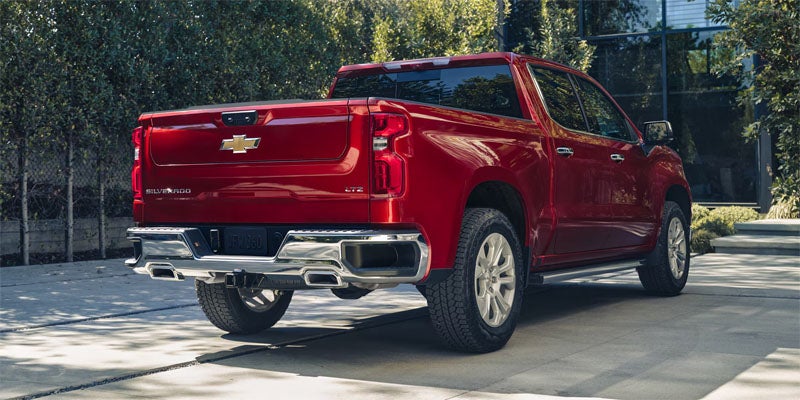
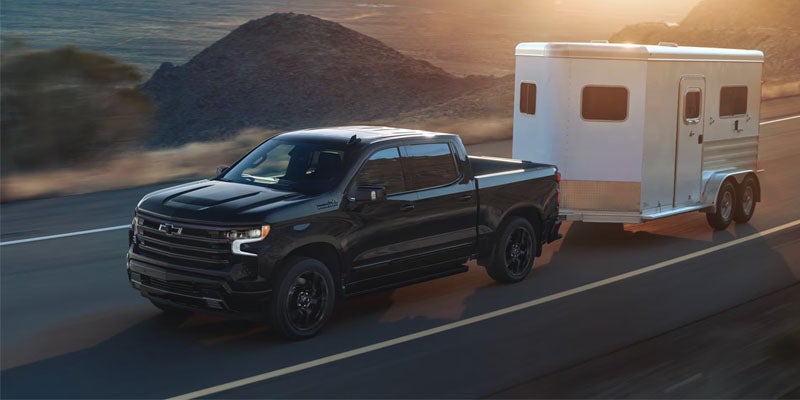
2026 Chevrolet Silverado 1500 vs. Ford F-150: Two Texas Workhorses, Different Strengths The Chevrolet Silverado 1500 and Ford F-150 have spent decades competing for the same customers, and the 2026 models make the decision no easier. Both offer serious towing capacity, powerful engines, and cabins that can rival luxury SUVs. But truck buyers in Del Rio, TX, should look beyond horsepower and advertising claims. The important differences emerge when you examine powertrain choices, payload ratings, bed functionality, and how each truck handles real work. Engines: Chevrolet's Diesel Changes the Conversation The Silverado offers four engines, beginning with a 2.7L TurboMax ™ producing 310 hp and 430 lbs. ft. of torque. Its 5.3L V8 delivers 355 hp, while the 6.2L V8 generates 420 hp and 460 lbs. ft. of torque. The standout alternative is Chevrolet's 3.0L Duramax® turbo-diesel, producing 305 hp and 495 lbs. ft. of torque. Ford counters with a 325-hp 2.7L EcoBoost® V6, a 400-hp 5.0L V8, and a 400-hp 3.5L EcoBoost V6. The F-150 also offers PowerBoost ® hybrid power and high-output Raptor configurations. Chevrolet's diesel remains its clearest powertrain advantage for buyers interested in diesel torque and highway efficiency. Towing: Maximum Ratings Don't Tell the Whole Story The Silverado can tow up to 13,300 lbs. when properly equipped. Ford's F-150 reaches 13,500 lbs., giving it a narrow advantage on paper. Maximum available payload is approximately 2,260 lbs. for Chevrolet and 2,440 lbs. for Ford. However, these figures represent specific configurations, not every truck on the lot. Four-wheel drive, cab selection, engine choice, and optional equipment affect capacity. A truck carrying passengers and cargo also has less available payload for trailer tongue weight. Before towing a boat toward Lake Amistad, check the individual truck's door-jamb ratings and trailering specifications. Cargo Beds: Where Chevrolet Makes a Strong Argument Silverado buyers can choose bed lengths of approximately 5 feet 8 inches, 6 feet 6 inches, or 8 feet, depending on configuration. Ford offers comparable choices. Chevrolet's Durabed includes 12 standard tie-downs, while the available Multi-Flex Tailgate provides six functions, including a full-width step and work surface. Ford answers with its available Pro Access Tailgate, featuring a swing-out section for improved bed access. Both designs have merit, but Chevrolet's combination of tie-down provisions and tailgate versatility deserves attention from anyone regularly loading tools or equipment. Cabin Comfort and Technology The Silverado's available 13.4-inch touchscreen and 12.3-inch digital instrument display create a modern workspace. Google built-in compatibility supports navigation and connected functions, while available wireless smartphone integration simplifies everyday use. Ford's SYNC® 4 system includes a standard 12-inch touchscreen and comparable connectivity. Higher Silverado trims offer heated and ventilated seating, premium materials, and additional convenience features. Ford's Lariat, King Ranch®, and Platinum® models deliver similarly upscale accommodations. For long drives across South Texas, seat comfort and visibility deserve as much consideration as screen dimensions. Driver Assistance and Trailering Equipment Chevrolet offers available Super Cruise® hands-free driving on eligible Silverado configurations, while Ford provides BlueCruise on select F-150 models. Both operate under specific conditions and require an attentive driver. Silverado buyers can also access available trailer camera views and monitoring features designed to simplify towing. Ford offers its own trailering assistance technologies. These systems can reduce workload, but they don't replace proper trailer loading, accurate weight calculations, or regular equipment inspections. Which Truck Earns Its Place in Del Rio? Ford leads narrowly in maximum towing and payload figures and offers a full hybrid powertrain. Chevrolet counters with the Duramax diesel, impressive TurboMax torque, and practical cargo-bed features. The best choice depends on the specific configuration and intended workload. Visit Brown Auto Center Chevrolet in Del Rio, TX, to compare Silverado engines, bed lengths, and trailering equipment. Schedule a test drive online today. A truck's specifications are important, but how it performs your particular jobs is what counts.

Read More
Engine Belts: What Every Driver Should Know

Engine Belts: What Every Driver Should Know

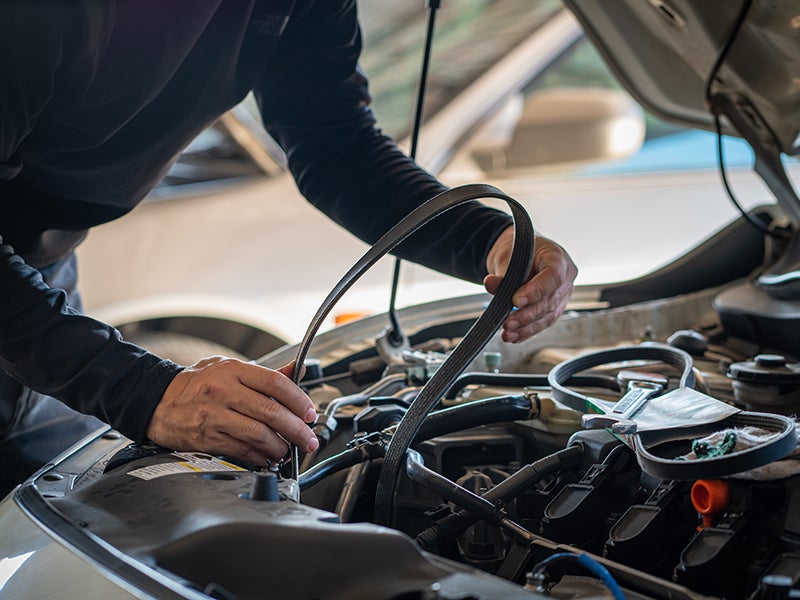
Engine Belts: A Complete Guide for Every Driver Every time you start your ignition, a series of tough rubber loops spin into action to keep your car moving and your cabin comfortable. Engine belts are some of the hardest-working parts in your vehicle, yet most drivers overlook them until a sudden breakdown occurs. Understanding how these components work and keeping them maintained prevents unexpected roadside emergencies. If you want to learn more about protecting your engine or need a professional inspection, reach out to our team at Brown Auto Center Chevrolet in Del Rio, TX. What Are Engine Belts and What Do They Do? Engine belts transfer mechanical power from the crankshaft to vital vehicle components. The serpentine belt is the most common type, using a single, continuous loop to power the alternator, power steering pump, air conditioning compressor, and water pump. Meanwhile, a timing belt or timing chain synchronizes the crankshaft and camshaft so engine valves open and close at exact intervals. Older engines sometimes use individual V-belts to drive single accessories, though modern vehicles largely rely on serpentine systems. How to Tell If Something Is Wrong With Your Engine Belts Catching belt wear early prevents major mechanical repairs. A sharp squealing or chirping sound from the engine bay during startup or air conditioning use usually points to a slipping serpentine belt. You should also look for visible cracks, frayed edges, or a glossy, glazed appearance on the rubber. Heavier power steering, an illuminated battery warning light, or rising engine temperatures also indicate failing belts. Because timing belts hide behind protective covers, you must rely on mileage intervals rather than visual checks to prevent severe engine damage. What Maintenance Do Engine Belts Need? Routine inspections during oil changes allow technicians to check belt tension and spot early signs of cracking or uneven wear. Most serpentine belts require replacement between 60,000 and 100,000 miles, though extreme Texas heat can accelerate rubber degradation. Timing belts also typically require replacement every 60,000 to 100,000 miles based on the specific schedule in your owner's manual. Technicians should inspect belt tensioners and idler pulleys during every replacement, as worn pulleys frequently cause new belts to fail early. Visit Brown Auto Center Chevrolet for Belt Servic e If you hear a strange squeal or want to stay ahead of scheduled maintenance, the certified service team at Brown Auto Center Chevrolet in Del Rio, TX is ready to assist. Keeping your engine belts in top condition protects your vehicle and prevents expensive engine repairs down the road. Schedule your next service appointment online today.
Winter Maintenance for Your Chevrolet: Cold Weather Finds the Weak Stuff

Winter Maintenance Tips for Your Chevrolet

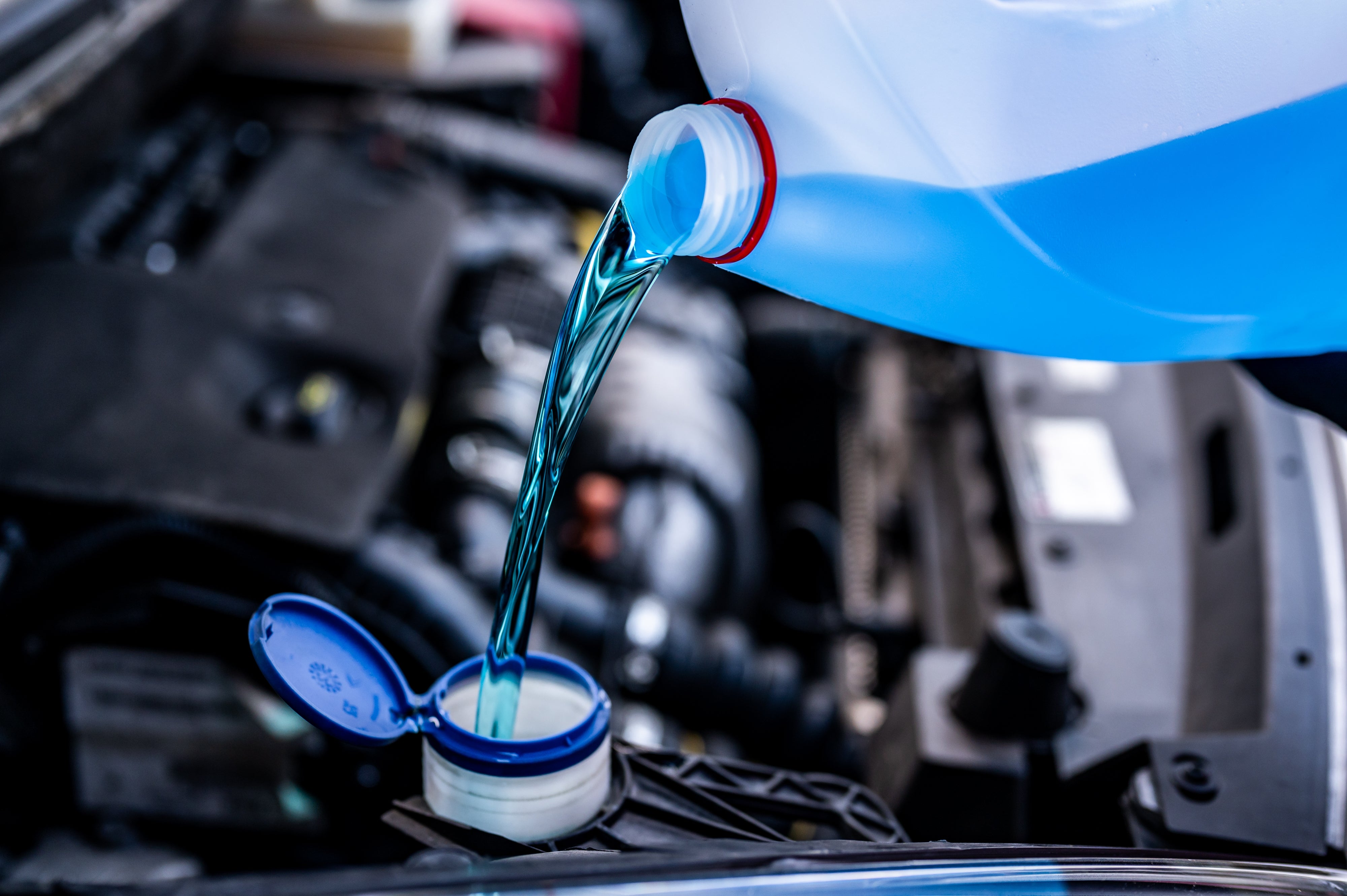
Winter Maintenance for Your Chevrolet: Cold Weather Finds the Weak Stuff Del Rio, TX, isn't famous for heroic snowdrifts, but winter doesn't need a blizzard to expose a vehicle that's overdue for attention. Lower temperatures affect batteries, tire pressure, fluids, rubber components, and other systems that behaved perfectly well during warmer months. Seasonal maintenance and a Multi-Point Vehicle Inspection can identify those problems while they're still merely maintenance instead of roadside entertainment. Temperature Changes More Than the Cabin Setting Cold weather alters the operating conditions around several vehicle systems. Batteries can deliver less starting power, tire pressures decrease as temperatures fall, and fluids have to perform in colder conditions. This makes a seasonal inspection useful even in a comparatively mild Texas winter. Checking the battery, tires, brakes, cooling system, exterior lighting, and visibility equipment gives technicians an opportunity to identify wear or developing problems before they interfere with a trip. It's also good to review your Chevrolet maintenance schedule and take care of any routine service that's already due rather than treating winter preparation as an entirely separate exercise. Coolant Has a Surprisingly Complicated Assignment Engine coolant has to help manage temperature at both ends of the thermometer. The correct coolant mixture provides freeze protection while helping the cooling system regulate engine temperature during operation. Coolant condition and level therefore deserve attention before colder weather arrives. A Chevrolet cooling-system inspection can check for concerns with the coolant and related components, while coolant service can address fluid maintenance when required. This is considerably cheaper in concept than ignoring a cooling-system problem until something overheats, leaks, freezes, or otherwise makes its displeasure known in a much more expensive fashion. Your Battery Doesn't Get Stronger When It Gets Cold A battery that started the engine happily through summer can reveal its age when temperatures fall. If your Chevrolet cranks slowly, has required a jump-start, or is carrying a battery that's been in service for several years, battery testing can provide helpful information about its condition. A Certified Service technician can also inspect the starting and charging system if symptoms suggest something beyond the battery itself. Adding a battery inspection to an oil change or other scheduled maintenance takes little drama. Waiting until the vehicle refuses to start creates considerably more of it. Four Tires and Four Brakes Deserve Some Attention Tire pressure can decrease as ambient temperature falls, so pressure should be checked regularly and maintained according to the vehicle specifications. Inspecting tread condition and wear at the same time can identify tires that deserve further attention. Tire service or a tire rotation can also be combined with other seasonal maintenance when appropriate. Brakes belong on the winter list as well. A professional brake inspection can evaluate the condition of components such as the pads and rotors, while any unusual noises, vibration, or changes in braking behavior deserve diagnosis rather than another few months of optimism. Seeing the Road Is Part of Driving on It Wiper blades don't receive much admiration, but neither does trying to see through a streaked windshield. Inspect the blades for wear and make sure the washer system operates properly with fluid appropriate for expected temperatures. Exterior lighting deserves a quick check as well. Headlights, taillights, brake lights, and turn signals are basic equipment with a disproportionately important job after sunset or during poor weather. These checks fit naturally into a winter vehicle inspection and can be handled alongside other routine Chevrolet service instead of requiring separate visits. Get Your Chevrolet Ready Before the Temperature Drops Winter preparation isn't about assuming catastrophe is approaching Del Rio. It's about making sure ordinary maintenance doesn't become an extraordinary inconvenience. Brown Auto Center Chevrolet can help Del Rio, TX, drivers with battery testing, tire service, brake inspections, cooling-system service, oil changes, Multi-Point Vehicle Inspections, and other Chevrolet maintenance. Owners can also review current service specials and address multiple maintenance needs during the same visit. If colder weather is approaching and your Chevrolet is due for attention, schedule a winter maintenance appointment online.

What To Do When Your Check Engine Light Comes On 

What To Do When Your Check Engine Light Comes On

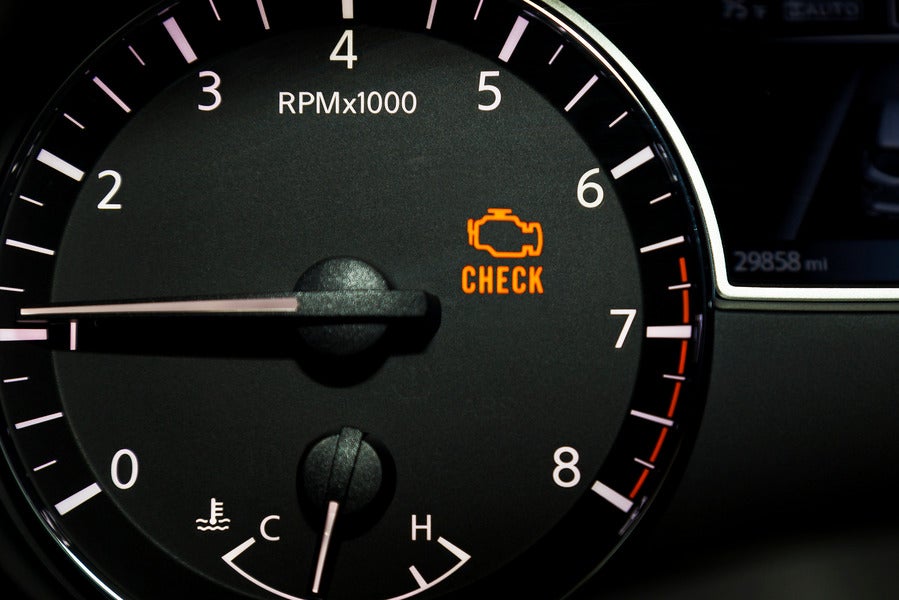
The check engine light is one of the most recognizable warning indicators on your dashboard. On most Chevrolet vehicles, it appears as a small orange or amber engine-shaped icon. Some models display the words "Check Engine" or "Service Engine Soon" instead. The light may stay on or flash depending on the issue. A steady check engine light typically signals a non-emergency problem that still needs attention. A flashing light, however, usually points to a more serious issue - such as an engine misfire - that requires prompt action. Either way, the check engine light should never be ignored. Drivers in Del Rio, Texas should keep reading for more answers to the most frequently asked questions about the check engine light. Do I Need to Go to a Mechanic Right Away? This is one of the most common questions drivers have when the check engine light appears. The honest answer depends on how the light behaves and how your vehicle is driving. If the light is steady and your vehicle seems to be running normally - no unusual sounds, no loss of power, no strange smells - it is generally safe to continue driving for a short time. That said, you should schedule a diagnostic appointment as soon as possible. Putting it off can turn a minor issue into a costly repair. If you notice rough idling, reduced acceleration, or the light is flashing, treat it as an urgent situation. Pull over when it is safe to do so and contact a service center. You can count on a trained technician to quickly scan your vehicle and identify the cause. Do I Need to Tow My Car? Another frequent question is whether a check engine light automatically means calling a tow truck. The short answer is no - not always. If your vehicle is still driving smoothly and no other warning lights are on alongside the check engine light, you can likely drive it to a nearby service center without a tow. However, if the check engine light is flashing, if you see the temperature gauge spiking, or if the oil pressure light also appears, stop driving immediately. Continuing to drive under those conditions can cause serious engine damage. When in doubt, it is always better to err on the side of caution. A quick call to your service center can help you decide whether to drive the vehicle in or arrange a tow. What Should You Do First? When the check engine light comes on, start by checking that your gas cap is fully tightened. A loose gas cap is one of the most common - and easiest to fix - triggers for this warning. If the cap was loose and you tighten it, the light may go off on its own after a few drive cycles. If the light stays on, the next step is to have your vehicle scanned with a diagnostic tool. This is a routine process that reads the trouble codes stored in your vehicle's computer, giving a technician a clear starting point for diagnosis. Visit Brown Auto Center Chevrolet for a Diagnostic When your check engine light comes on, the right move is to get it checked by a professional. Guessing or waiting too long can lead to bigger problems down the road. The service team at Brown Auto Center Chevrolet is ready to help drivers throughout Del Rio, TX get accurate answers fast. Whether the issue is minor or something that needs immediate attention, visiting scheduling service at Brown Automotive Center is a great first step toward getting your Chevrolet back to its best.

Oil Leak and Fluid Under Car FAQ: How to Identify Vehicle Leaks in Del Rio, TX

Oil Leak and Fluid Under Car FAQ: How to Identify Vehicle Leaks in Del Rio, TX

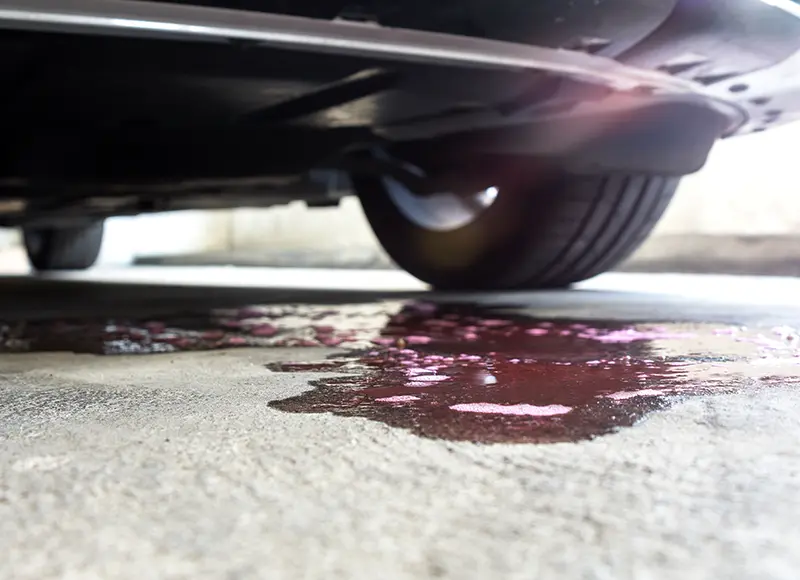
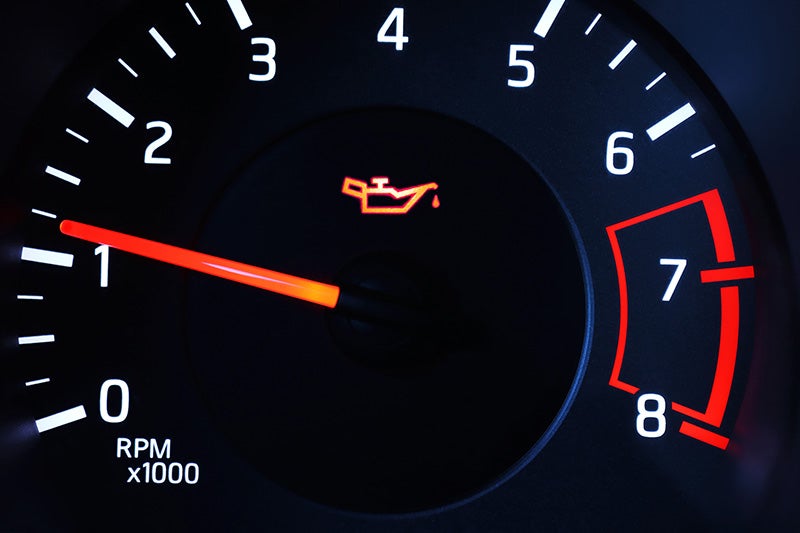
Finding fluid under your vehicle can be concerning, especially when you are unsure where it came from or whether it requires immediate attention. A small spot on the driveway or garage floor may indicate anything from normal condensation to a problem involving an important vehicle system. Understanding the differences between an oil leak and other fluid leaks can help drivers recognize potential issues before they lead to larger repairs. Fluids help many vehicle components operate properly, including the engine, transmission, cooling system, brakes, and steering components. When a leak occurs, it can affect performance and reliability if it is not inspected. For drivers in Del Rio, TX, Brown Automotive Center provides Chevrolet service support to help identify fluid leaks and address maintenance concerns. Professional technicians can inspect your vehicle, locate the source of a leak, and recommend the appropriate service. Why Is There Fluid Under My Car? Seeing fluid underneath your vehicle does not always mean there is a serious mechanical problem, but it should not be ignored. Different vehicle fluids have different colors, textures, and locations where leaks commonly appear. The first step is identifying what type of fluid is leaking. Looking at the color and consistency of the fluid can provide helpful information, but a professional inspection is the best way to determine the exact cause. Common fluids that may appear under a vehicle include: Engine oil, which is often dark brown or black and feels slippery. Coolant, which may appear green, orange, pink, yellow, or another color depending on the vehicle. Transmission fluid, which is often red or reddish-brown. Brake fluid, which is usually clear to amber and has a slippery texture. Power steering fluid, which may resemble transmission fluid. Water from air conditioning condensation, which is typically clear and harmless. A fluid leak should be evaluated based on the type of fluid, the amount leaking, and where it appears beneath the vehicle. How Do I Know If My Car Has an Oil Leak? An oil leak is one of the most common fluid concerns drivers experience. Engine oil plays an important role in reducing friction, lubricating internal components, and helping the engine operate properly. When oil escapes from the engine, it can lead to reduced lubrication and potential damage if the issue is not corrected. Signs that your vehicle may have an oil leak include: Dark spots or puddles underneath the engine area. A burning oil smell while driving. Low oil levels between oil changes. Smoke coming from the engine compartment. Oil warning lights appearing on the dashboard. Visible oil residue around engine components. Oil leaks can develop from several areas of the engine. Worn seals, damaged gaskets, loose components, or aging parts may allow oil to escape over time. If you notice signs of an oil leak, checking your oil level and scheduling a professional inspection can help protect your engine. What Causes an Oil Leak? An engine contains many components that work together to keep oil contained while the vehicle is operating. Over time, certain parts can wear down and create areas where oil may escape. Common causes of oil leaks include: Worn engine gaskets or seals. Loose or damaged oil drain plugs. Issues with the oil filter installation. Cracked or damaged engine components. Normal wear caused by vehicle age and mileage. Routine maintenance helps identify potential concerns before they become larger problems. During service appointments, technicians can inspect for leaks, check fluid levels, and look for signs of wear. Is a Small Oil Leak Serious? Even a small oil leak deserves attention because oil is essential for engine operation. A minor leak may become worse over time, especially if worn seals or damaged components continue allowing oil to escape. Drivers should not ignore: Oil spots that continue appearing under the vehicle. Frequently low oil levels. Dashboard warning lights. Unusual engine noises. Burning smells while driving. Operating a vehicle with insufficient oil can place additional stress on engine components. Having a technician inspect the vehicle can help determine whether the issue requires a simple repair or more involved service. What Does Coolant Under a Car Mean? Coolant, also called antifreeze, helps regulate engine temperature by moving heat away from the engine. A coolant leak can affect the vehicle’s ability to maintain proper operating temperatures and may contribute to overheating. Coolant leaks may appear as: Brightly colored fluid beneath the front of the vehicle. A sweet smell near the engine. Engine temperature warnings. Steam coming from under the hood. Low coolant levels in the reservoir. Possible causes of coolant leaks include damaged hoses, radiator concerns, worn connections, or problems with cooling system components. Because overheating can cause serious engine problems, drivers should address coolant leaks as soon as possible. What Does Transmission Fluid Under My Car Mean? Transmission fluid helps lubricate and cool transmission components while allowing the system to operate smoothly. A transmission fluid leak may affect shifting performance and should be inspected by a trained technician. Signs of a possible transmission fluid leak include: Red or reddish-brown fluid beneath the vehicle. Difficulty shifting gears. Delayed engagement when changing gears. Unusual transmission noises. Burning smells. Transmission concerns can become more complicated when fluid levels are low. Prompt inspection can help identify the source of the leak and protect important vehicle components. Can Brake Fluid Leaks Affect Vehicle Safety? Brake fluid is essential for transferring pressure through the braking system. A brake fluid leak can affect braking performance and should always be treated as a serious concern. Possible signs of a brake fluid issue include: A soft or spongy brake pedal. Reduced braking response. Clear or amber-colored fluid near the wheels. Brake warning lights. If you suspect a brake fluid leak, avoid delaying service. A technician should inspect the braking system to determine the cause and necessary repairs. How Can I Prevent Vehicle Fluid Leaks? While some leaks develop due to normal wear, regular maintenance can help identify potential problems early. Fluid inspections are an important part of keeping your vehicle running properly. Drivers can help prevent unexpected issues by: Following the recommended maintenance schedule. Checking fluid levels regularly. Scheduling inspections when warning lights appear. Paying attention to unusual smells or performance changes. Addressing small concerns before they become larger problems. Routine Chevrolet service helps technicians monitor important vehicle systems and identify conditions that may lead to leaks. Schedule Chevrolet Service at Brown Automotive Center in Del Rio, TX A fluid leak under your vehicle should never be overlooked. Whether you notice an oil leak, coolant leak, transmission fluid, or another type of fluid, identifying the source quickly can help protect your vehicle’s performance. Brown Automotive Center provides Chevrolet service for drivers throughout Del Rio, TX, with experienced technicians who can inspect vehicle concerns and provide maintenance recommendations. From fluid checks and oil changes to more detailed repairs, the service team is ready to help keep your Chevrolet operating properly. Schedule your service appointment today and get professional assistance with your vehicle’s maintenance needs.

What Is a Cabin Air Filter and Does Your Chevrolet Need a New One? 

What Is a Cabin Air Filter and Does Your Chevrolet Need a New One?

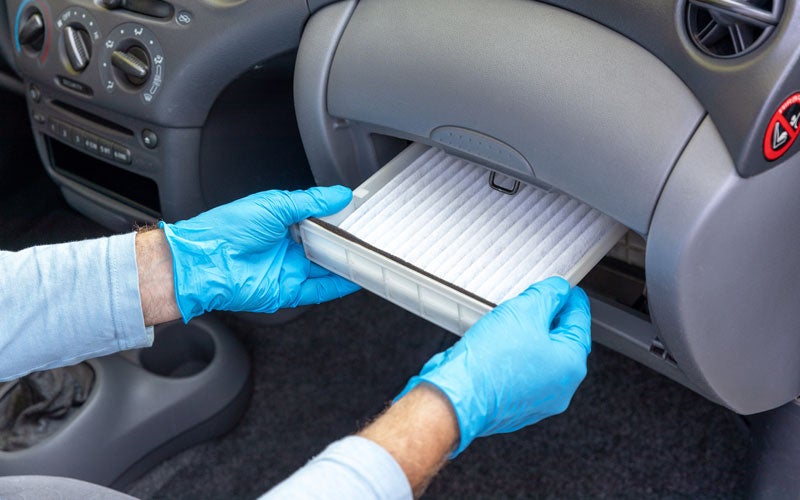
The cabin air filter. It is neither glamorous nor expensive, but it performs a vital function every time you drive. By filtering the air entering the passenger compartment, it helps create a cleaner, more comfortable environment for everyone inside the vehicle. For Chevrolet owners in Del Rio, TX, where dust, pollen, and road debris are part of daily driving, the condition of your cabin air filter can have a surprisingly noticeable impact on comfort and air quality. What Exactly Does a Cabin Air Filter Do? A cabin air filter is designed to clean the outside air before it enters your vehicle through the heating and air conditioning system. As air moves through the HVAC system, the filter captures dust, pollen, dirt, mold spores, and other airborne contaminants that would otherwise circulate throughout the cabin. The result is cleaner air for occupants and reduced buildup inside the ventilation system. It is a simple component performing an important task, particularly for drivers and passengers who are sensitive to allergens or poor air quality. How the System Works The process itself is straightforward. Outside air enters the vehicle through intake ducts and passes through the cabin air filter before reaching the blower motor and ventilation system. The filter's pleated design creates a large surface area capable of trapping contaminants while still allowing sufficient airflow to pass through. Many filters use multi-layer filtration media, while premium versions may incorporate activated carbon to help reduce odors from traffic, exhaust fumes, and environmental pollutants. The system works continuously whenever your heating or air conditioning is operating, cleaning the air before it reaches the cabin. Signs Your Cabin Air Filter May Need Attention Like any filter, a cabin air filter eventually reaches the point where it becomes saturated with debris. One of the most common signs is reduced airflow from the vents. If the fan is running normally but the airflow feels weaker than it once did, a clogged filter may be restricting the system. Musty odors are another common indicator. Over time, trapped contaminants and moisture can create unpleasant smells when the air conditioning or heater is activated. Some drivers also notice increased dust accumulation inside the cabin or heightened allergy symptoms during their daily commute. In many cases, a fresh cabin air filter can improve both concerns significantly. Why Replacement Matters A neglected cabin air filter does more than affect air quality. As airflow becomes restricted, the HVAC system must work harder to move air throughout the cabin. That additional strain can reduce overall system efficiency and make it more difficult to maintain comfortable interior temperatures during extreme Texas weather. Replacing the filter at recommended intervals helps maintain proper airflow and allows the heating and cooling system to operate as intended. Most manufacturers recommend inspecting the cabin air filter between 15,000 and 25,000 miles, though drivers in dusty environments may benefit from more frequent replacement. A Simple Service with Noticeable Results Unlike some maintenance items that operate entirely behind the scenes, a fresh cabin air filter often delivers immediate benefits. Improved airflow, cleaner air, and a fresher-smelling interior are changes many drivers notice almost immediately after replacement. It is a small investment that contributes directly to everyday driving comfort. Visit Brown Auto Center Chevrolet in Del Rio, TX If you're unsure when your cabin air filter was last replaced, now is a good time to have it inspected. The service team at Brown Auto Center Chevrolet can check the condition of your filter and recommend replacement if needed. Drivers throughout Del Rio, TX can count on experienced Chevrolet technicians to help keep their vehicles comfortable, efficient, and ready for the road ahead. Schedule your service appointment today and enjoy cleaner air on every drive.

How to Know If You Have an Oil Leak 

How to Know If You Have an Oil Leak

An oil leak can create serious engine problems if it is not checked quickly. Drivers may notice oil spots under the vehicle, a burning smell, low oil levels, blue smoke, or an oil pressure warning light. If you see any of these signs in Del Rio, TX, Brown Automotive Center can inspect your vehicle and help identify the source of the leak before it leads to more damage. What to Do If You Have an Oil Leak A driver should check the oil level 1st. If the level is low, 1 should add the correct oil. This is a temporary step. The leak still needs a real fix. A driver should not drive long distances with a leak. Low oil can cause internal damage, such as worn bearings. If a driver in Del Rio, TX sees oil under the car, they should get an inspection. Diagnosing an Oil Leak Finding a leak is not always easy because oil moves along parts. A technician will clean the engine and use UV dye to find the source. This helps trace the leak to its start. Common steps include checking the drain plug and the valve cover. Staff also look at the oil pan and various seals. An oil leak is serious enough to need a professional check. Different Leak Types and Sources A leaking valve cover gasket is a common problem. It happens as the part gets old, which causes it to lose its seal. A driver might see oil near the top of the engine or smell burning. The oil pan gasket is another source. It is at the bottom of the engine and can wear out over time. A loose drain plug can also cause a leak after an oil change. Rear main seals and timing cover gaskets are harder to repair. If a driver sees signs of a leak, they should not wait. Fixing a leak early protects the engine. Scheduling service with Brown Automotive Center helps drivers avoid engine failure by fixing leaks quickly.

2026 Silverado 1500 LTZ - A Detailed Look at Silverado Trims for the 2026 Chevrolet Silverado 1500 

A Detailed Look at Silverado Trims for the 2026 Chevrolet Silverado 1500

The 2026 Chevrolet Silverado 1500 is not trying to be everything at once. It is something more deliberate than that. All 7 Silverado trims feel considered, shaped with a clear purpose in mind. Some are built to take a beating. Others lean into refinement. All of them carry that unmistakable Silverado confidence through Del Rio, TX, and beyond. Purpose-Built Simplicity: WT The WT trim strips things back to what matters. Clean, functional, and unapologetically focused on work. The TurboMax™ engine delivers 310 hp and 430 lbs. ft. of torque, giving it real strength for daily demands. The Durabed offers best-in-class cargo volume, which is not just a number, it is usability you notice immediately. Chevy Safety Assist comes standard, quietly reinforcing every drive. A Measured Step Forward: Custom The Custom adds just enough refinement to shift the experience. The 20-inch Bright Silver-painted aluminum wheels bring presence, while the EZ Lift power lock and release tailgate adds a layer of convenience you appreciate over time. The interior sees improvements like a 10-way power driver seat, making longer drives more comfortable. It still feels grounded, just with a bit more thought behind each detail. Balanced for Real Life: LT The LT is where technology and capability meet in a more complete way. The 13.4-inch touchscreen becomes the focal point of the cabin, supported by clean design and intuitive controls. LED reflector headlamps sharpen visibility and styling. Available bucket seats with a center console create a more refined layout inside. It moves easily between workday demands and everyday driving without feeling like it is trying too hard. Sharper, Lower, More Expressive: RST The RST takes a more design-led approach. Body-color elements create a cohesive, almost tailored look. The available 20-inch high-gloss Black wheels give it a sharper stance, more urban, more deliberate. Inside, the 13.4-inch touchscreen pairs with a 12.3-inch Driver Information Center, creating a cockpit that feels modern and well resolved. It is still a Silverado, just with a strong sense of style. Engineered for the Terrain: LT Trail Boss The LT Trail Boss shifts the focus entirely. A factory-installed 2-inch lift changes the posture immediately. The Z71 Off-Road Package and Autotrac® 2-speed transfer case give it the mechanical depth to match. High-gloss Black wheels and a raised hood detail add visual intent, but the real story is capability. Refinement Without Excess: High Country The High Country does not shout about luxury. It integrates it. Premium leather with custom stitching, authentic open-pore wood, and a cabin that feels composed rather than overdesigned. Super Cruise® introduces hands-free driving capability, which feels less like a novelty and more like a genuine shift in how long drives are experienced. It is confident, understated, and very well judged. Technical Precision Off-Road: ZR2 The ZR2 is focused in a different way. Multimatic® DSSV dampers, front and rear electronic locking differentials, and substantial underbody protection create a truck engineered for serious terrain. The 33-inch Goodyear Wrangler® Territory MT tires complete the setup. This is not just about getting off the road. It is about doing it with control and precision. Distinctive Finishes Across the Lineup Special editions like the Midnight Edition, Redline Edition, and ZR2 Bison Edition allow the Silverado to take on different visual and functional identities. Each of the Silverado trims one add a layer of individuality without losing the core design. The 2026 Chevrolet Silverado 1500 lineup is broad, but it never feels scattered. All 7 Silverado trims have a clear role, a clear character. Visit Brown Auto Center in Del Rio, TX and spend time with them. The differences are not just on paper. They reveal themselves the moment you step inside.

A woman in a car being handed keys - First-Time GMC Buying: Why the Market Just Got Interesting 

First Time Buyers: Why the Chevrolet Market Just Got Interesting

First Time Buyers: Something slightly dramatic has happened in the vehicle market. Trucks now have luxury interiors. SUVs now tow like yesterday’s heavy equipment. Electric pickups can out-accelerate sports cars while carrying drywall. This is not the gentle, predictable buying landscape of years past. First Time Buyers Guide Step-By-Step If you are stepping into Chevrolet ownership for the first time, congratulations. You are entering a world where capability is measurable, technology is everywhere, and the biggest challenge may simply be choosing which impressive machine suits your life best. Step One: Arrive Prepared Like a Professional Before you stride into the showroom with the confidence of someone who has definitely compared towing charts at midnight, gather the essentials: Driver’s License: The universal symbol that you are legally allowed to command horsepower. Proof of Insurance: Required before you pilot your new Chevrolet into the sunset. Proof of Income: Pay stubs or bank statements help lenders confirm you can sustain your newfound automotive enthusiasm. Proof of Residence: Utility bills or lease agreements establish that you exist in a verifiable location. Credit Information: Financing terms often hinge on this mysterious three-digit reputation score. Having these documents ready transforms the process from mildly chaotic to impressively efficient. Step Two: Choose a Chevrolet That Matches Your Actual Life The Chevrolet lineup is not subtle. It is built around purpose. Selecting the right vehicle becomes easier when you think about how you truly drive day-to-day. Urban Commuting & Everyday Confidence: The Chevrolet Equinox offers manageable size, intuitive tech, and strong safety integration for routine driving. Serious Capability for Work or Towing: Silverado 1500, Silverado 2500, and Colorado trucks deliver real hauling strength with measurable payload and trailering credentials. Forward-Thinking Electric Ownership: Equinox EV and Blazer EV introduce instant torque, advanced battery range targets, and the quiet thrill of electrified performance. Step Three: Finance Like Someone Who Enjoys Stability Financing may sound intimidating, but it becomes surprisingly logical when approached with a plan. Define a Comfortable Monthly Budget: Include insurance and maintenance, not just the payment itself. Look for Incentives or Low-APR Offers: First-time buyer programs appear more often than you might expect. Prequalify Online: This streamlines dealership time and reduces stress dramatically. Evaluate Trade-In Opportunities: Even an aging vehicle can soften the financial landing of your upgrade. Why Chevrolet Ownership Makes Sense Long Term for First Time Buyers Chevrolets “professional grade” philosophy translates into durable engineering, intuitive technology integration, and designs that age gracefully. For a first-time buyer, that means less second-guessing and more confidence in the driveway. Owning your first Chevrolet is not simply about acquiring transportation. It is about unlocking capability you did not previously have, comfort you did not expect, and the quiet satisfaction of knowing your vehicle is prepared for far more adventure than your weekly schedule currently demands. Visit Brown Auto Center in Del Rio, TX to explore the Chevrolet lineup, experience the vehicles firsthand, and start building an ownership lifestyle that feels equal parts practical and heroic.

Hand holding a cell phone with the My Chevrolet Rewards app / My GM Rewards app displayed, including buttons for remote start and vehicle locks

My Chevrolet Rewards in Del Rio, TX

Is it My Chevrolet Rewards or My GM Rewards? My GM Rewards is a loyalty program designed to enhance your ownership experience by rewarding you for every interaction with GMC, which includes Chevrolet and Buick. Whether you're purchasing a new vehicle, scheduling service, or buying accessories, My GM Rewards lets you earn points that can be redeemed for future savings. It's a simple yet effective way to make the most out of your Chevrolet ownership journey. For customers in Del Rio, TX, this program is an excellent opportunity to maximize the value of your Chevrolet investments while enjoying exclusive perks tailored to your needs. How to Earn Rewards Points Earning points with My GM Rewards is straightforward and rewarding. Here’s how you can start accumulating points: - Vehicle Purchases: Earn points when you buy or lease a new Chevrolet vehicle. - Service Visits: Schedule maintenance or repairs at participating Chevrolet GMC dealerships and earn points for every dollar spent. - Accessories and Parts: Purchase genuine Chevrolet accessories or parts and watch your points grow. - GM Financial Products: Earn additional points by financing through GM Financial or enrolling in protection plans. The more you engage with GMC products and services, the more points you’ll accumulate, making it easy to save on future purchases. Redeeming Your Rewards Points Once you've earned enough points, redeeming them is just as simple. Points can be used toward: - New Vehicle Purchases or Leases: Apply your points to reduce the cost of your next Chevrolet GMC vehicle. - Certified Service Visits: Use points to cover maintenance or repair costs at participating dealerships. - Accessories and Parts: Upgrade your vehicle with genuine GMC accessories or replace parts using your rewards. - OnStar® and Connected Services: Redeem points for subscriptions that keep you connected on the road. For drivers in Del Rio, TX, these redemption options provide flexibility and savings tailored to your lifestyle. Exclusive Perks of Chevrolet Rewards Joining My GM Rewards unlocks more than just points—it gives you access to exclusive benefits: - Tiered Membership Levels: As you earn more points, you can climb membership tiers (Silver, Gold, Platinum), unlocking additional perks like bonus points and special offers. - Seasonal Promotions: Take advantage of limited-time offers to earn extra points or redeem them for greater value. - Personalized Offers: Receive rewards tailored to your preferences and vehicle needs. These perks ensure that every interaction with Chevrolet and GMC adds value to your ownership experience. Getting started with My GM Rewards is easy Simply create an account online or visit Brown Auto Center in Del Rio, TX to enroll. Once registered, you can begin earning points immediately on eligible purchases and services. With tools like the My GMC app, managing your rewards is effortless. Track your points balance, view available offers, and redeem rewards—all from the convenience of your smartphone. My GM Rewards is an excellent way for Chevrolet owners in Del Rio, TX to enhance their ownership experience while saving on future purchases and services. By earning points through everyday interactions with GMC, you can unlock exclusive perks and enjoy greater value from your vehicle investments. Ready to start earning? Visit Brown Auto Center in Del Rio, TX or head to www.brownautocenter.com to enroll in My GM Rewards today!

2025 Chevrolet Tahoe - GM Rewards

How My GM Rewards Work for Drivers in Del Rio, TX

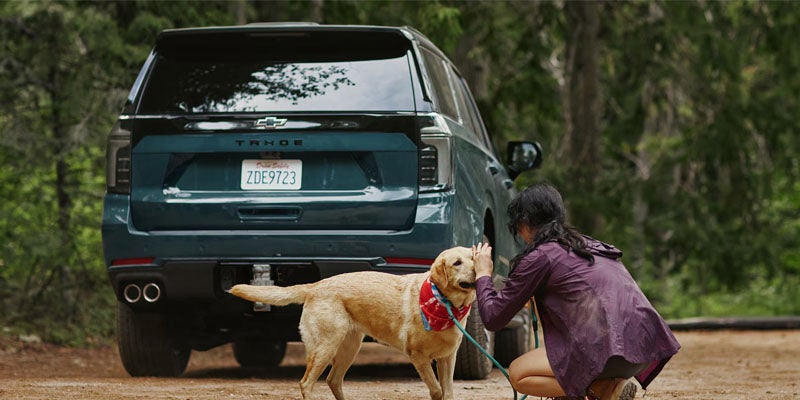
GM Rewards is a loyalty program designed to provide GMC drivers with exclusive benefits and savings. Whether you're purchasing a new vehicle, scheduling maintenance, or shopping for accessories, this program allows you to earn GMC rewards points on eligible purchases. The program operates on a tiered system, meaning your rewards grow as you engage more with GMC and GM services. Members are categorized into three tiers: Silver, Gold, and Platinum. Your tier level is determined by your overall activity and spending within the program, unlocking higher earning rates and additional perks as you advance. For drivers in Del Rio, Texas, GM Rewards simplifies the process of saving on your automotive needs. Whether you're looking for genuine GMC parts or a new set of tires, this program ensures that your loyalty is rewarded. What Can You Get with GM Rewards? One of the most appealing aspects of GM Rewards is its flexibility. Members can redeem their GMC rewards points for a wide range of services and products, including: - Vehicle Maintenance: Save on oil changes, tire rotations, and other certified GMC services. - Parts and Accessories: Use your points to upgrade your vehicle with genuine GMC parts or add-on accessories. - New Vehicle Purchases: Apply your points toward the purchase or lease of a new GMC vehicle. - OnStar and Connected Services: Enjoy discounts on connectivity plans to keep your vehicle smart and secure. The program even allows you to redeem points for GMC merchandise, which is perfect for showing off your brand pride. For Del Rio, TX customers, this means every trip to Brown Auto Center CGB can help you save on future purchases and services. How to Earn GM Rewards Points Earning GMC rewards points is straightforward and rewarding. Here are some of the most common ways to build up your points balance: 1. New Vehicle Purchases: Earn points when you buy or lease an eligible GMC vehicle. 2. Service Visits: Get rewarded for maintaining your vehicle with certified GMC service at participating dealerships. 3. Accessory Purchases: Add functional or aesthetic upgrades to your GMC and earn points in the process. 4. GM Rewards Credit Card: Accelerate your points earnings by using the GM Rewards Mastercard for everyday purchases. Cardholders often enjoy higher earning rates, making it easier to climb the rewards tiers. For drivers throughout Del Rio, TX, these opportunities ensure that every interaction with GMC brings added value. Whether you're investing in a durable Sierra truck or scheduling a routine service appointment, you're actively building rewards for future savings. GM Rewards offers Del Rio, TX customers an excellent way to maximize the value of their GMC ownership. By earning GMC rewards points on purchases and services, you can unlock savings on vehicle maintenance, accessories, and even new vehicle purchases. GM Rewards makes every mile, service visit, and purchase more rewarding by turning everyday ownership into long-term value. By earning and redeeming points on maintenance, accessories, and future vehicles, drivers can get more out of every GMC experience. To take full advantage of everything GM Rewards offers, we invite you to visit Brown Automotive Center. Our team is ready to help you explore your GMC options, enroll in the program, and ensure your rewards work seamlessly with your vehicle needs.

A close up of vehicle brakes - Essential Maintenance FAQ: Keeping Your Chevy in Top Condition

Essential Maintenance FAQ: Keeping Your Chevy in Top Condition

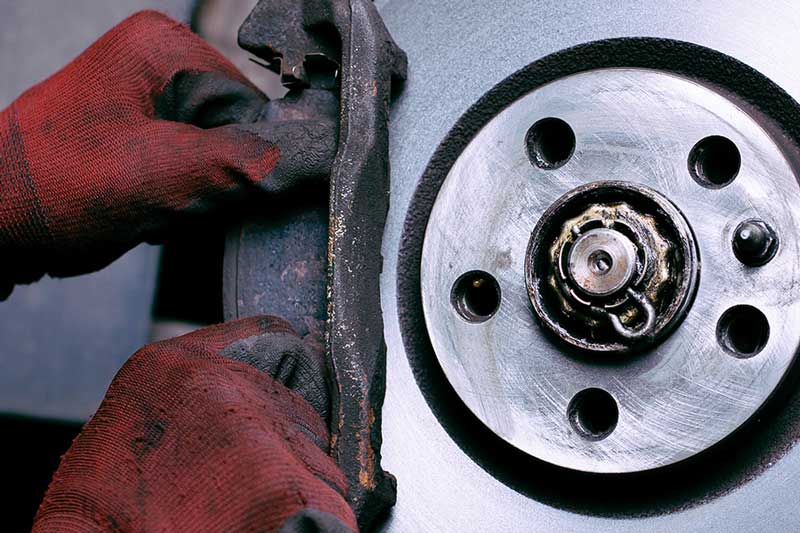
Maintaining your Chevy vehicle is critical to its longevity, safety, and overall performance. At Brown Automotive Center in Del Rio, TX, we understand the importance of regular vehicle maintenance and the role it plays in keeping your car running smoothly. In this comprehensive FAQ guide, we’ll cover essential maintenance tasks every Chevy owner should know, including oil changes, brakes, batteries, windshield wipers, fluids, and more. Why Is Regular Vehicle Maintenance Important? Regular maintenance helps ensure that your vehicle operates efficiently and avoids costly repairs. By addressing potential issues early, you can prevent major breakdowns that could leave you stranded on the road. Here’s why regular maintenance is crucial: Improves Safety: Well-maintained vehicles are less likely to encounter issues while driving, ensuring your safety and the safety of others on the road. Enhances Performance: Keeping your Chevy in top shape guarantees smoother performance, better handling, and improved fuel efficiency. Increases Longevity: Regular care can extend the life of your vehicle, making it last longer and saving you money in the long run. Frequently Asked Questions About Essential Maintenance 1. How Often Should I Change My Oil? Oil changes are one of the most important aspects of vehicle maintenance. Over time, oil breaks down and loses its effectiveness, which can lead to engine damage. Here’s what you need to know: Conventional Oil: Typically, you should change conventional oil every 3,000 to 5,000 miles. Synthetic Oil: Synthetic oil lasts longer and can typically go 7,500 to 10,000 miles between changes. Factors Affecting Oil Change Interval: Driving habits, climate conditions, and the age of your vehicle may influence how often you need an oil change. At Brown Automotive Center, we recommend following your Chevy’s owner manual for the most accurate oil change schedule. 2. How Can I Tell When My Brakes Need Attention? Brakes are one of the most critical safety components of your vehicle, so it’s important to know when to have them serviced. Some signs your brakes might need attention include: Squeaking or Squealing Noises: This could indicate that your brake pads are worn and need replacement. Vibration or Pulsing: If you feel vibrations when applying the brakes, it could mean the rotors are warped. Increased Stopping Distance: If it takes longer to stop your vehicle, it’s a clear sign that the brake system is not functioning properly. Regular brake checks are essential for your safety. Have your brakes inspected by a professional every 12,000 miles or if you notice any of these signs. 3. How Often Should I Replace My Car Battery? The battery is responsible for powering your vehicle’s electrical systems, and it’s important to ensure that it remains in good condition. Most car batteries last between 3 and 5 years, but factors like climate and driving habits can impact their lifespan. Here are some signs your battery may need replacement: Slow Engine Crank: If your engine takes longer than usual to start, it could be a sign that your battery is losing power. Check Engine Light: If the check engine light comes on, it could indicate a battery or charging system issue. Corrosion: Build-up of corrosion around the battery terminals can reduce the effectiveness of the battery. Regular battery checks and maintenance can prevent the inconvenience of a dead battery. 4. When Should I Replace My Windshield Wipers? Windshield wipers are essential for maintaining visibility, especially in rain or snow. Over time, wiper blades become worn and less effective. Here’s how to know when to replace them: Streaking: If your wipers leave streaks or smears on your windshield, they may be worn and need replacement. Chattering Noises: If your wipers make a chattering or skipping noise, it indicates that the rubber is damaged or hardened. Visible Damage: Cracks, tears, or splits in the wiper blades are a clear sign they need to be replaced. For optimal safety, it’s a good idea to replace your wiper blades every 6-12 months, depending on usage and weather conditions. 5. What Fluids Does My Vehicle Need? Fluids play a crucial role in the proper functioning of your vehicle. There are several types of fluids that you should regularly check and replace: Engine Oil: Lubricates the engine’s moving parts to reduce friction and wear. Transmission Fluid: Ensures smooth shifting and helps prevent transmission damage. Brake Fluid: Necessary for proper brake function; low levels can compromise braking ability. Coolant: Helps regulate engine temperature and prevents overheating. Power Steering Fluid: Allows easy steering and helps reduce wear on the steering system. Regular fluid checks can prevent costly repairs and keep your car operating at its best. 6. How Often Should I Check Tire Pressure and Rotate My Tires? Tire maintenance is crucial for both safety and performance. Proper tire pressure ensures optimal traction, fuel efficiency, and handling. Tire rotations help ensure even wear and extend the life of your tires. Here’s what you should do: Tire Pressure: Check your tire pressure monthly to ensure it’s at the recommended level. Underinflated tires can lead to poor fuel economy and increased tire wear. Tire Rotation: Have your tires rotated every 6,000 to 8,000 miles to ensure even wear. Uneven tire wear can affect your vehicle’s handling and reduce tire life. Proper tire maintenance can prevent accidents and ensure that your Chevy handles well on the road. Why Choose Brown Automotive Center for Your Maintenance Needs? At Brown Automotive Center, we are committed to providing top-notch service and expert maintenance for your Chevy. Our experienced technicians are trained to handle all aspects of vehicle care, including: Comprehensive Maintenance: From oil changes to brake inspections, we offer a full range of services to keep your vehicle running smoothly. Personalized Service: We take the time to understand your vehicle’s specific needs and provide tailored maintenance recommendations. Convenience and Efficiency: We offer fast, reliable service to minimize your downtime, so you can get back on the road quickly. Schedule Your Next Maintenance Appointment Today Don’t wait until there’s a problem with your vehicle. Regular maintenance is the key to ensuring your Chevy performs at its best for years to come. Contact Brown Automotive Center in Del Rio, TX, to schedule your next service appointment.

A mechanic checking a dipstick - Oil Changes: FAQs for Chevy Owners

Oil Change: FAQs for Chevy Owners

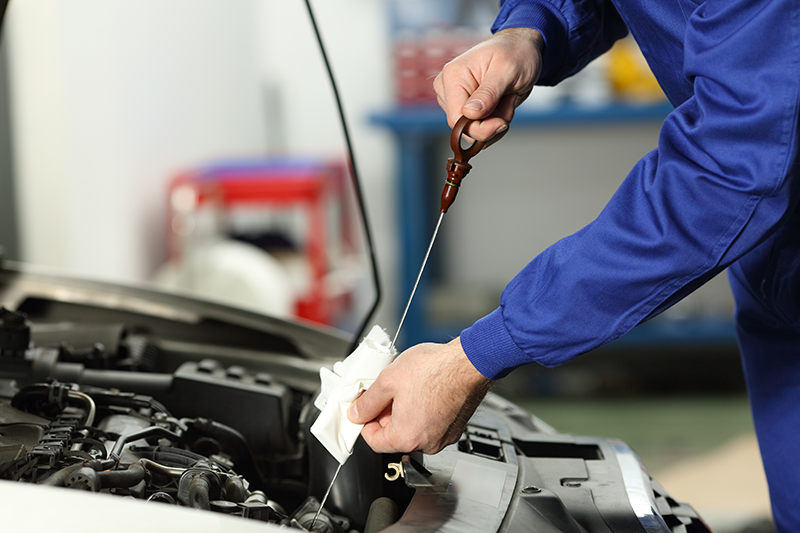
Regular oil changes are a fundamental aspect of vehicle maintenance that directly impact your car’s performance and longevity. At Brown Automotive Center in Del Rio, TX, we understand the importance of maintaining your Chevy’s engine in optimal condition. Whether you're a new Chevy owner or a long-time driver, staying informed about the oil change process can help ensure your vehicle runs smoothly for years to come. In this guide, we’ll answer some of the most frequently asked questions about oil changes. From why they're necessary to when and how often they should be done, we've got all the details covered to keep your engine running at its best. Why Are Oil Changes Important for Your Chevy? Oil is the lifeblood of your vehicle's engine. It lubricates the moving parts, reduces friction, and prevents overheating. Over time, oil breaks down due to exposure to heat and contaminants. Regular oil changes help to: Maintain lubrication: Clean oil ensures that the engine’s components move smoothly and do not experience excessive wear. Prevent engine damage: Old, degraded oil can lead to engine sludge and clogging, which can result in costly repairs. Improve performance: Fresh oil helps maintain your engine’s efficiency, resulting in better fuel economy and overall performance. Extend the lifespan of your vehicle: Regular oil changes can add years to your Chevy’s life by preventing major engine issues. When Should You Change Your Oil? The frequency of oil changes depends on several factors, such as your vehicle’s make, model, and driving habits. Here’s a general guideline for when to schedule an oil change: Traditional oil: Typically every 3,000 to 5,000 miles. Synthetic oil: Can last longer, often between 7,500 and 10,000 miles. Severe driving conditions: If you frequently drive in stop-and-go traffic, tow heavy loads, or operate your vehicle in extreme temperatures, you may need to change your oil more often. Always refer to your Chevy’s owner’s manual for manufacturer recommendations regarding oil change intervals. What Type of Oil Does My Chevy Need? Choosing the right oil for your Chevy is crucial. Your owner’s manual will provide specific recommendations for oil type, but here are the general categories: Conventional oil: This is a standard option for many vehicles and is more affordable, but it requires more frequent changes. Synthetic oil: A high-performance option that provides better protection, improves fuel efficiency, and lasts longer than conventional oil. High-mileage oil: Designed for older engines with higher mileage, this type of oil helps reduce leaks, burns, and other common issues associated with aging engines. At Brown Automotive Center, our experts can help you select the right oil for your specific Chevy model to keep it running at its best. How Do I Know If My Oil Needs to Be Changed? There are several signs that indicate your oil may need to be changed soon: Check engine light: If the light comes on, it could be a sign that your oil is dirty or low. Engine noise: If your engine begins making louder-than-usual noises, it could be due to old oil losing its ability to lubricate. Oil change light: Some vehicles are equipped with an oil change reminder light that illuminates when it's time to change the oil. Dirty oil: If you check the oil and it looks dark and gritty, it’s time for a change. Clean oil should appear golden or amber in color. Smell of burning oil: If you smell burning oil inside or outside the vehicle, it could be a sign that your oil is overheating and needs to be changed. What Happens If I Don’t Change My Oil? Skipping oil changes can lead to significant engine damage. As oil breaks down and becomes contaminated, it loses its ability to properly lubricate the engine. Over time, this can cause: Increased friction and heat: Without proper lubrication, engine parts can rub together, generating excessive heat and wear. Sludge buildup: Degraded oil turns into sludge that can clog the engine’s oil passages and reduce performance. Engine failure: If the oil is not changed, the engine could seize or fail due to lack of lubrication, leading to costly repairs or even a complete engine replacement. Regular oil changes are an inexpensive way to prevent these issues and protect the health of your engine. Can I Change My Oil Myself? While it’s possible to change your oil at home, it requires specific tools, knowledge, and disposal methods for used oil. If you’re not familiar with the process, it’s best to leave oil changes to the professionals. At Brown Automotive Center, we offer quick and efficient oil change services to keep your vehicle in top condition without the hassle. How Long Does an Oil Change Take? Typically, an oil change at Brown Automotive Center takes about 30 minutes to an hour. We pride ourselves on providing fast, reliable service to minimize your wait time, so you can get back on the road quickly. How Much Does an Oil Change Cost? The cost of an oil change can vary depending on the type of oil your Chevy requires, the model, and the services provided. Generally, synthetic oils tend to cost more than conventional oils. At Brown Automotive Center, we offer competitive pricing on all oil change services. Contact us for specific pricing based on your vehicle’s needs. Why Choose Brown Automotive Center for Your Oil Change? At Brown Automotive Center, we pride ourselves on delivering high-quality service for every vehicle. Here’s why we’re the trusted choice for oil changes in Del Rio, TX: Expert technicians: Our certified service team has years of experience and uses the latest tools to perform oil changes with precision. Fast and convenient: We understand that your time is valuable, so we offer quick and hassle-free oil changes to get you back on the road. Affordable pricing: We offer competitive rates without sacrificing the quality of service, ensuring your vehicle gets the care it deserves. Comprehensive vehicle checks: During your oil change, we also perform a multi-point inspection to ensure your vehicle is in great condition. Schedule Your Oil Change Today Regular oil changes are essential for the longevity and performance of your Chevy. If it’s time for an oil change, or if you’re unsure when you last had one, contact Brown Automotive Center in Del Rio, TX. Our team is here to provide the expert service and advice you need to keep your vehicle running smoothly.

Contact Us

Fill out this form below and we'll contact you shortly
*Required Fields