Brown Automotive Center Chevrolet

Blog / Service

Blog

All Service brown automotive center del rio chevrolet Del Rio Buick Dealer Del Rio Buick Service Brown Automotive Center Service del rio gmc del rio new trucks Del Rio Used Cars Oil 2026 2026 Silverado 1500 Air Filter Check Engine Chevy SUV FAQs
What To Do When Your Check Engine Light Comes On 

What To Do When Your Check Engine Light Comes On

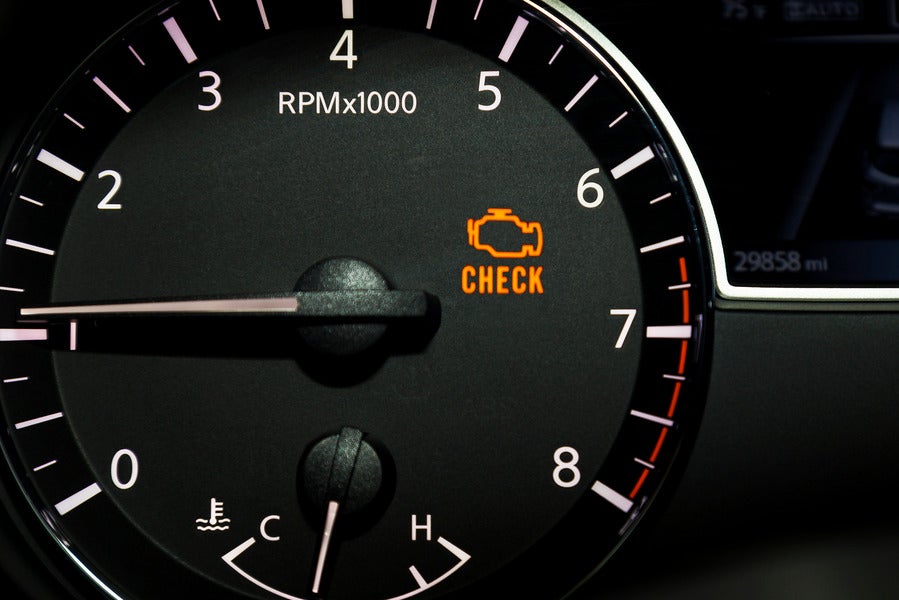
The check engine light is one of the most recognizable warning indicators on your dashboard. On most Chevrolet vehicles, it appears as a small orange or amber engine-shaped icon. Some models display the words "Check Engine" or "Service Engine Soon" instead. The light may stay on or flash depending on the issue. A steady check engine light typically signals a non-emergency problem that still needs attention. A flashing light, however, usually points to a more serious issue - such as an engine misfire - that requires prompt action. Either way, the check engine light should never be ignored. Drivers in Del Rio, Texas should keep reading for more answers to the most frequently asked questions about the check engine light. Do I Need to Go to a Mechanic Right Away? This is one of the most common questions drivers have when the check engine light appears. The honest answer depends on how the light behaves and how your vehicle is driving. more If the light is steady and your vehicle seems to be running normally - no unusual sounds, no loss of power, no strange smells - it is generally safe to continue driving for a short time. That said, you should schedule a diagnostic appointment as soon as possible. Putting it off can turn a minor issue into a costly repair. If you notice rough idling, reduced acceleration, or the light is flashing, treat it as an urgent situation. Pull over when it is safe to do so and contact a service center. You can count on a trained technician to quickly scan your vehicle and identify the cause. Do I Need to Tow My Car? Another frequent question is whether a check engine light automatically means calling a tow truck. The short answer is no - not always. If your vehicle is still driving smoothly and no other warning lights are on alongside the check engine light, you can likely drive it to a nearby service center without a tow. However, if the check engine light is flashing, if you see the temperature gauge spiking, or if the oil pressure light also appears, stop driving immediately. Continuing to drive under those conditions can cause serious engine damage. When in doubt, it is always better to err on the side of caution. A quick call to your service center can help you decide whether to drive the vehicle in or arrange a tow. What Should You Do First? When the check engine light comes on, start by checking that your gas cap is fully tightened. A loose gas cap is one of the most common - and easiest to fix - triggers for this warning. If the cap was loose and you tighten it, the light may go off on its own after a few drive cycles. If the light stays on, the next step is to have your vehicle scanned with a diagnostic tool. This is a routine process that reads the trouble codes stored in your vehicle's computer, giving a technician a clear starting point for diagnosis. Visit Brown Auto Center Chevrolet for a Diagnostic When your check engine light comes on, the right move is to get it checked by a professional. Guessing or waiting too long can lead to bigger problems down the road. The service team at Brown Auto Center Chevrolet is ready to help drivers throughout Del Rio, TX get accurate answers fast. Whether the issue is minor or something that needs immediate attention, visiting scheduling service at Brown Automotive Center is a great first step toward getting your Chevrolet back to its best.

Oil Leak and Fluid Under Car FAQ: How to Identify Vehicle Leaks in Del Rio, TX

Oil Leak and Fluid Under Car FAQ: How to Identify Vehicle Leaks in Del Rio, TX

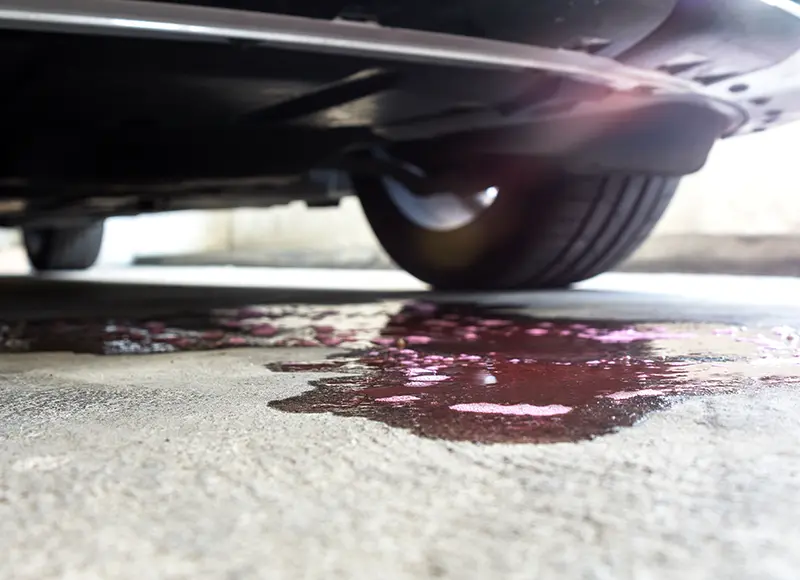
Finding fluid under your vehicle can be concerning, especially when you are unsure where it came from or whether it requires immediate attention. A small spot on the driveway or garage floor may indicate anything from normal condensation to a problem involving an important vehicle system. Understanding the differences between an oil leak and other fluid leaks can help drivers recognize potential issues before they lead to larger repairs. Fluids help many vehicle components operate properly, including the engine, transmission, cooling system, brakes, and steering components. When a leak occurs, it can affect performance and reliability if it is not inspected. For drivers in Del Rio, TX, Brown Automotive Center provides Chevrolet service support to help identify fluid leaks and address maintenance concerns. Professional technicians can inspect your vehicle, locate the source of a leak, and recommend the appropriate service. Why Is There Fluid Under My Car? Seeing fluid underneath your vehicle does not always mean there is a serious mechanical problem, but it should not be ignored. Different vehicle fluids have different colors, textures, and locations where leaks commonly appear. more The first step is identifying what type of fluid is leaking. Looking at the color and consistency of the fluid can provide helpful information, but a professional inspection is the best way to determine the exact cause. Common fluids that may appear under a vehicle include: Engine oil, which is often dark brown or black and feels slippery. Coolant, which may appear green, orange, pink, yellow, or another color depending on the vehicle. Transmission fluid, which is often red or reddish-brown. Brake fluid, which is usually clear to amber and has a slippery texture. Power steering fluid, which may resemble transmission fluid. Water from air conditioning condensation, which is typically clear and harmless. A fluid leak should be evaluated based on the type of fluid, the amount leaking, and where it appears beneath the vehicle. How Do I Know If My Car Has an Oil Leak? An oil leak is one of the most common fluid concerns drivers experience. Engine oil plays an important role in reducing friction, lubricating internal components, and helping the engine operate properly. When oil escapes from the engine, it can lead to reduced lubrication and potential damage if the issue is not corrected. Signs that your vehicle may have an oil leak include: Dark spots or puddles underneath the engine area. A burning oil smell while driving. Low oil levels between oil changes. Smoke coming from the engine compartment. Oil warning lights appearing on the dashboard. Visible oil residue around engine components. Oil leaks can develop from several areas of the engine. Worn seals, damaged gaskets, loose components, or aging parts may allow oil to escape over time. If you notice signs of an oil leak, checking your oil level and scheduling a professional inspection can help protect your engine. What Causes an Oil Leak? An engine contains many components that work together to keep oil contained while the vehicle is operating. Over time, certain parts can wear down and create areas where oil may escape. Common causes of oil leaks include: Worn engine gaskets or seals. Loose or damaged oil drain plugs. Issues with the oil filter installation. Cracked or damaged engine components. Normal wear caused by vehicle age and mileage. Routine maintenance helps identify potential concerns before they become larger problems. During service appointments, technicians can inspect for leaks, check fluid levels, and look for signs of wear. Is a Small Oil Leak Serious? Even a small oil leak deserves attention because oil is essential for engine operation. A minor leak may become worse over time, especially if worn seals or damaged components continue allowing oil to escape. Drivers should not ignore: Oil spots that continue appearing under the vehicle. Frequently low oil levels. Dashboard warning lights. Unusual engine noises. Burning smells while driving. Operating a vehicle with insufficient oil can place additional stress on engine components. Having a technician inspect the vehicle can help determine whether the issue requires a simple repair or more involved service. What Does Coolant Under a Car Mean? Coolant, also called antifreeze, helps regulate engine temperature by moving heat away from the engine. A coolant leak can affect the vehicle’s ability to maintain proper operating temperatures and may contribute to overheating. Coolant leaks may appear as: Brightly colored fluid beneath the front of the vehicle. A sweet smell near the engine. Engine temperature warnings. Steam coming from under the hood. Low coolant levels in the reservoir. Possible causes of coolant leaks include damaged hoses, radiator concerns, worn connections, or problems with cooling system components. Because overheating can cause serious engine problems, drivers should address coolant leaks as soon as possible. What Does Transmission Fluid Under My Car Mean? Transmission fluid helps lubricate and cool transmission components while allowing the system to operate smoothly. A transmission fluid leak may affect shifting performance and should be inspected by a trained technician. Signs of a possible transmission fluid leak include: Red or reddish-brown fluid beneath the vehicle. Difficulty shifting gears. Delayed engagement when changing gears. Unusual transmission noises. Burning smells. Transmission concerns can become more complicated when fluid levels are low. Prompt inspection can help identify the source of the leak and protect important vehicle components. Can Brake Fluid Leaks Affect Vehicle Safety? Brake fluid is essential for transferring pressure through the braking system. A brake fluid leak can affect braking performance and should always be treated as a serious concern. Possible signs of a brake fluid issue include: A soft or spongy brake pedal. Reduced braking response. Clear or amber-colored fluid near the wheels. Brake warning lights. If you suspect a brake fluid leak, avoid delaying service. A technician should inspect the braking system to determine the cause and necessary repairs. How Can I Prevent Vehicle Fluid Leaks? While some leaks develop due to normal wear, regular maintenance can help identify potential problems early. Fluid inspections are an important part of keeping your vehicle running properly. Drivers can help prevent unexpected issues by: Following the recommended maintenance schedule. Checking fluid levels regularly. Scheduling inspections when warning lights appear. Paying attention to unusual smells or performance changes. Addressing small concerns before they become larger problems. Routine Chevrolet service helps technicians monitor important vehicle systems and identify conditions that may lead to leaks. Schedule Chevrolet Service at Brown Automotive Center in Del Rio, TX A fluid leak under your vehicle should never be overlooked. Whether you notice an oil leak, coolant leak, transmission fluid, or another type of fluid, identifying the source quickly can help protect your vehicle’s performance. Brown Automotive Center provides Chevrolet service for drivers throughout Del Rio, TX, with experienced technicians who can inspect vehicle concerns and provide maintenance recommendations. From fluid checks and oil changes to more detailed repairs, the service team is ready to help keep your Chevrolet operating properly. Schedule your service appointment today and get professional assistance with your vehicle’s maintenance needs.


What Is a Cabin Air Filter and Does Your Chevrolet Need a New One? 

What Is a Cabin Air Filter and Does Your Chevrolet Need a New One?

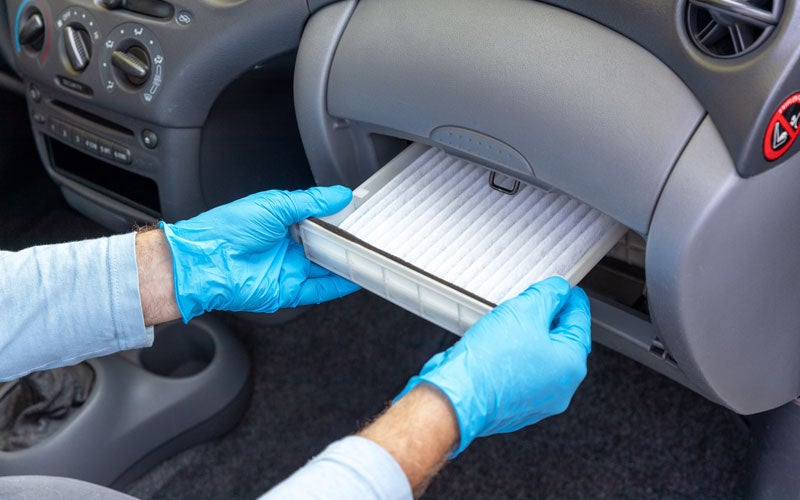
The cabin air filter. It is neither glamorous nor expensive, but it performs a vital function every time you drive. By filtering the air entering the passenger compartment, it helps create a cleaner, more comfortable environment for everyone inside the vehicle. For Chevrolet owners in Del Rio, TX, where dust, pollen, and road debris are part of daily driving, the condition of your cabin air filter can have a surprisingly noticeable impact on comfort and air quality. What Exactly Does a Cabin Air Filter Do? A cabin air filter is designed to clean the outside air before it enters your vehicle through the heating and air conditioning system. As air moves through the HVAC system, the filter captures dust, pollen, dirt, mold spores, and other airborne contaminants that would otherwise circulate throughout the cabin. The result is cleaner air for occupants and reduced buildup inside the ventilation system. more It is a simple component performing an important task, particularly for drivers and passengers who are sensitive to allergens or poor air quality. How the System Works The process itself is straightforward. Outside air enters the vehicle through intake ducts and passes through the cabin air filter before reaching the blower motor and ventilation system. The filter's pleated design creates a large surface area capable of trapping contaminants while still allowing sufficient airflow to pass through. Many filters use multi-layer filtration media, while premium versions may incorporate activated carbon to help reduce odors from traffic, exhaust fumes, and environmental pollutants. The system works continuously whenever your heating or air conditioning is operating, cleaning the air before it reaches the cabin. Signs Your Cabin Air Filter May Need Attention Like any filter, a cabin air filter eventually reaches the point where it becomes saturated with debris. One of the most common signs is reduced airflow from the vents. If the fan is running normally but the airflow feels weaker than it once did, a clogged filter may be restricting the system. Musty odors are another common indicator. Over time, trapped contaminants and moisture can create unpleasant smells when the air conditioning or heater is activated. Some drivers also notice increased dust accumulation inside the cabin or heightened allergy symptoms during their daily commute. In many cases, a fresh cabin air filter can improve both concerns significantly. Why Replacement Matters A neglected cabin air filter does more than affect air quality. As airflow becomes restricted, the HVAC system must work harder to move air throughout the cabin. That additional strain can reduce overall system efficiency and make it more difficult to maintain comfortable interior temperatures during extreme Texas weather. Replacing the filter at recommended intervals helps maintain proper airflow and allows the heating and cooling system to operate as intended. Most manufacturers recommend inspecting the cabin air filter between 15,000 and 25,000 miles, though drivers in dusty environments may benefit from more frequent replacement. A Simple Service with Noticeable Results Unlike some maintenance items that operate entirely behind the scenes, a fresh cabin air filter often delivers immediate benefits. Improved airflow, cleaner air, and a fresher-smelling interior are changes many drivers notice almost immediately after replacement. It is a small investment that contributes directly to everyday driving comfort. Visit Brown Auto Center Chevrolet in Del Rio, TX If you're unsure when your cabin air filter was last replaced, now is a good time to have it inspected. The service team at Brown Auto Center Chevrolet can check the condition of your filter and recommend replacement if needed. Drivers throughout Del Rio, TX can count on experienced Chevrolet technicians to help keep their vehicles comfortable, efficient, and ready for the road ahead. Schedule your service appointment today and enjoy cleaner air on every drive.

How to Know If You Have an Oil Leak 

How to Know If You Have an Oil Leak

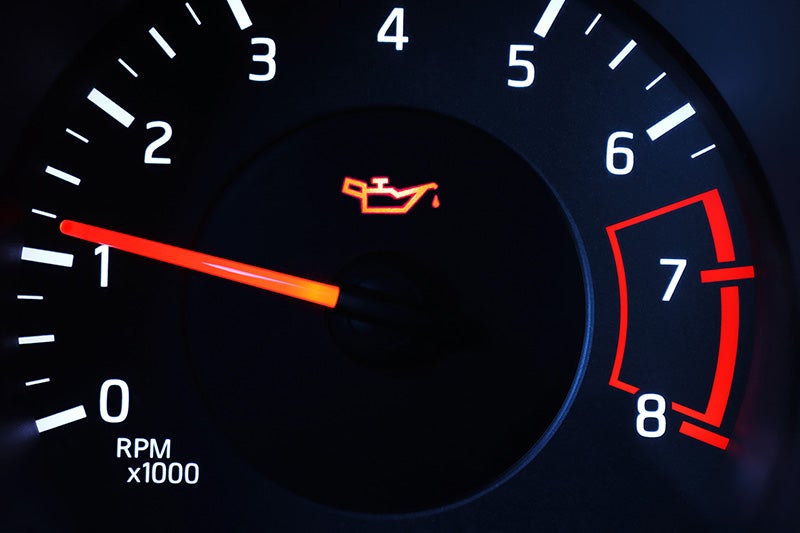
An oil leak can create serious engine problems if it is not checked quickly. Drivers may notice oil spots under the vehicle, a burning smell, low oil levels, blue smoke, or an oil pressure warning light. If you see any of these signs in Del Rio, TX, Brown Automotive Center can inspect your vehicle and help identify the source of the leak before it leads to more damage. What to Do If You Have an Oil Leak A driver should check the oil level 1st. If the level is low, 1 should add the correct oil. This is a temporary step. The leak still needs a real fix. A driver should not drive long distances with a leak. Low oil can cause internal damage, such as worn bearings. If a driver in Del Rio, TX sees oil under the car, they should get an inspection. Diagnosing an Oil Leak Finding a leak is not always easy because oil moves along parts. A technician will clean the engine and use UV dye to find the source. This helps trace the leak to its start. Common steps include checking the drain plug and the valve cover. Staff also look at the oil pan and various seals. An oil leak is serious enough to need a professional check. Different Leak Types and Sources A leaking valve cover gasket is a common problem. It happens as the part gets old, which causes it to lose its seal. A driver might see oil near the top of the engine or smell burning. The oil pan gasket is another source. It is at the bottom of the engine and can wear out over time. A loose drain plug can also cause a leak after an oil change. Rear main seals and timing cover gaskets are harder to repair. If a driver sees signs of a leak, they should not wait. Fixing a leak early protects the engine. Scheduling service with Brown Automotive Center helps drivers avoid engine failure by fixing leaks quickly.

Contact Us

Fill out this form below and we'll contact you shortly
*Required Fields